Two Exciting New Products! Lots of US History Help!
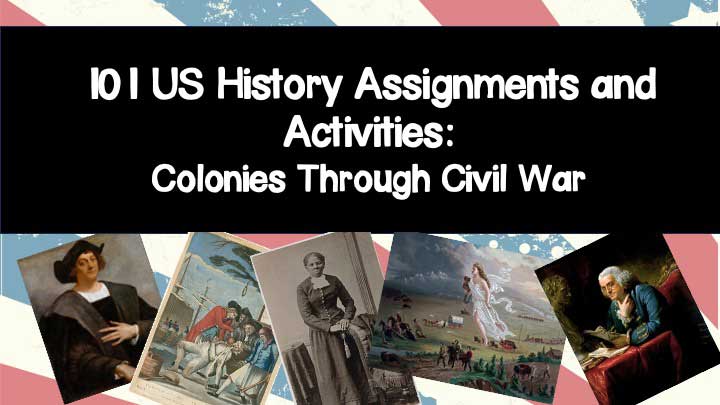
I’ve been slaving away behind the scenes to finish something I’ve been working on for a while! The first is a massive list of US History Assignments. I ended up with over 211 assignments and 15 printable templates! I’m breaking them up into 2 separate products based on time period. The first is 101 Assignments for Colonies to Civil War. I’m still putting the finishing touches on the second part, 110 Assignments for Reconstruction to 9/11. I hope to have that one available within the month!

I also have a set of 180 discussion starters and bell ringers I’ve been working on. You can find that here which also includes a link to a free sample download.

Use the code BLOG20 to get 20% off of your purchase!
 

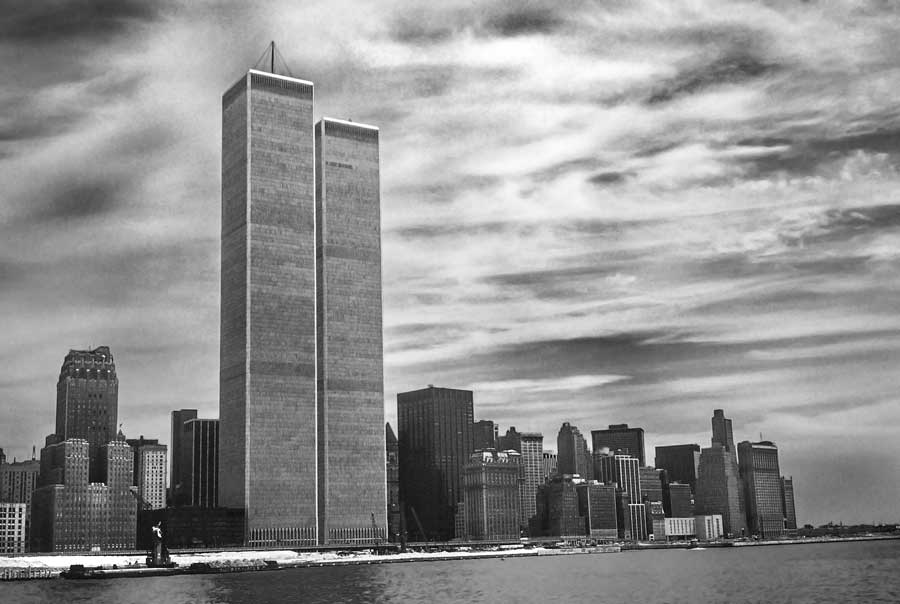
9/11 from the President’s Point of View

This is a really interesting video that explains what President Bush and his staff were thinking when they found out the World Trade Center towers were attacked. It includes clips of that famous shot when someone leans down and whispers into Bush’s ear, and you can see him trying to process it and at the same time remain calm in front of others. These kinds of first-hand accounts make things so much more real to students!

Three Videos to Help Your Students Understand Vietnam Veterans

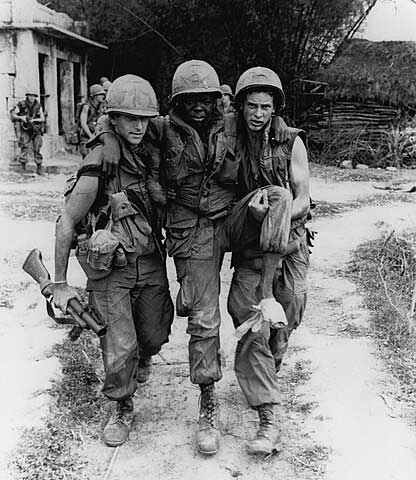
Everyone knows that Vietnam veterans had a much different experience coming home than World War II veterans. To be honest, our country let the Vietnam vets down. Still, it’s hard to explain to students why Vietnam veterans had such a hard time coming home. These three Youtube videos, in my mind, give the most simple and understandable explanation as to why the Vietnam veterans seemed to have a harder time getting over the trauma of war than others.

How WWII and Vietnam Veterans Were Treated Differently

The Difference Between a World War II Vet and a Vietnam Vet


Have You Touched the Berlin Wall?

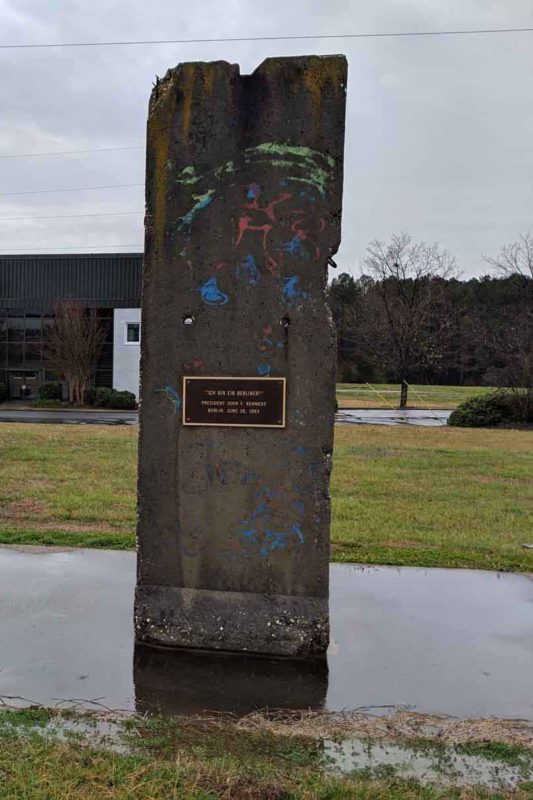
Did you know that there are many segments of the Berlin Wall on display in the United States? You can see if there is one close to you by checking here. A couple of years ago, I found out that there was a segment less than 45 minutes from me! I had no clue. It is in front of a German-run business located near the interstate. One day when my family and I were down that way, we stopped by and looked at it. It’s insane to think that we were touching something that was such a huge symbol of such a unique time. It also made me reflect on how blessed I am to be free, and it reminded me of the people who were living under such oppression that they were willing to risk their lives just to get over the very wall we were able to walk up and touch.

Encourage your students to go out and touch a piece of history! It may make a greater impact on them than any worksheet ever could.


Great Discussion Starter About the Cold War

If you have ever watched anything on Discovery or TLC or History Channel, at some point you’ve probably heard the fabulous voice of Mike Rowe. Among other projects, Mike has an awesome podcast called The Way I Heard It. He takes events or people that are well-known and adds a unique storytelling element to them that creates quite a bit of suspense. Most episodes are only about six minutes long, but they pack a powerful punch.

I was listening to one episode the other day, and I heard an amazingly interesting story that will definitely pique your students’ interest. You need to listen to “Episode 3: Clean Up on Aisle Four.” I don’t want to give away what or who the story is about, but this episode would be a GREAT little tidbit to add to your discussions somewhere in your unit about the Cold War. (I don’t want to get too specific or it might ruin the effect of the story.  Sorry!) If you want to skip the intro stuff, you can jump to the 40-second mark. The total story only lasts about four minutes, but that four minutes is enough to make an impact.

Classroom Uses

  • This would be a great bell-ringer or discussion-starter to begin class.
  • You could have students listen to this and complete a free-write.
  • Use this to help your students develop better listening skills.
  • Have students complete Window Notes on the podcast to encourage students to actively listen and then process the info.  (Here’s an example of Window Notes that I used in an earlier post.  Essentially you have them divide their paper into 4 sections.  Each section deals with a reading passage or listening exercise from different learning perspectives/styles.  Can be formal or informal.)  With Window Notes, you may want to listen to the podcast twice.

Isn’t it a great story?!  If I come across any more episodes that I think would work in class, I’ll post more later!

Photo used in accordance with licensing from Clipart.com.

Great Cuban Missile Crisis Worksheets

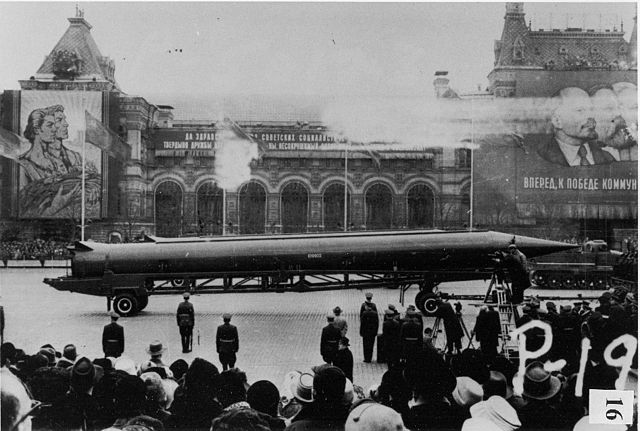
I found a new resource today on the Cuban Missile Crisis that I really like.  It is a free packet of four worksheets covering different aspects of the situation.  The assignment at the end of each worksheet is to write an essay.  If you don’t want your students to write an essay, you can easily modify this assignment into a group or class discussion.  I really like these worksheets because it breaks down the Cuban Missile Crisis into various steps and decisions and helps students evaluate the “what-ifs” of the situation.  The packet also downloads as a Word document, which would make it very easy edit to suit your classroom needs.  This packet is part of a larger grouping of resources found here.