Two Exciting New Products! Lots of US History Help!
I’ve been slaving away behind the scenes to finish something I’ve been working on for a while! The first is a massive list of US History Assignments. I ended up with over 211 assignments and 15 printable templates! I’m breaking them up into 2 separate products based on time period. The first is 101 Assignments for Colonies to Civil War. I’m still putting the finishing touches on the second part, 110 Assignments for Reconstruction to 9/11. I hope to have that one available within the month!

I also have a set of 180 discussion starters and bell ringers I’ve been working on. You can find that here which also includes a link to a free sample download.

Use the code BLOG20 to get 20% off of your purchase!
 

Inspiration and Encouragement from Teddy Roosevelt

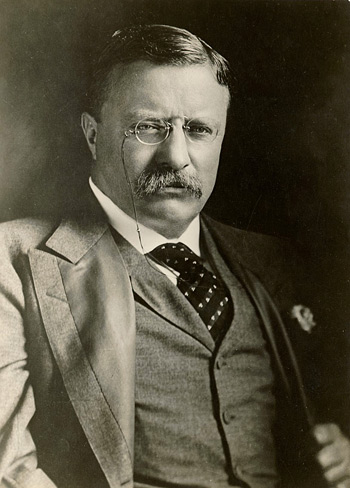
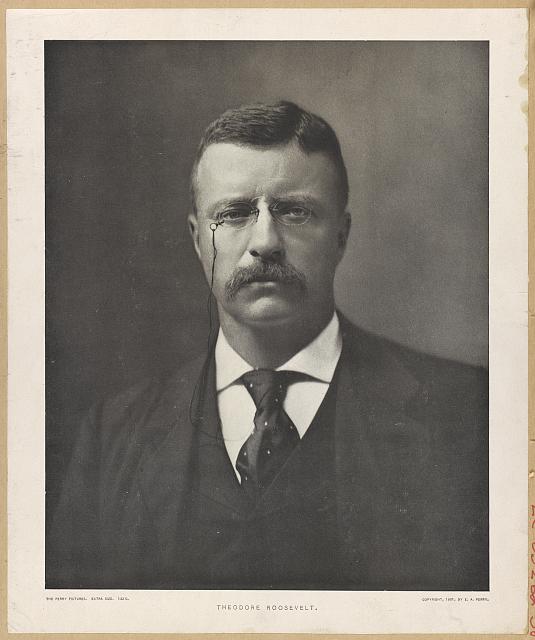
Do you need a little inspiration to keep going? Do your students? I LOVE “The Man in the Arena” speech by Teddy Roosevelt (who is definitely my favorite president). This is my favorite excerpt…

“It is not the critic who counts; not the man who points out how the strong man stumbles, or where the doer of deeds could have done them better. The credit belongs to the man who is actually in the arena, whose face is marred by dust and sweat and blood; who strives valiantly; who errs, who comes short again and again, because there is no effort without error and shortcoming; but who does actually strive to do the deeds; who knows the great enthusiasms, the great devotions; who spends himself in a worthy cause; who at the best knows in the end the triumph of high achievement, and who at the worst, if he fails, at least fails while daring greatly, so that his place shall never be with those cold and timid souls who neither know victory nor defeat.”

At least you are in the arena. You are showing up. That’s what matters.

Here’s a video of my favorite part of his speech. It can also be used in your classroom. Use it when you are studying Teddy Roosevelt or any day you want to inspire your students.

Students in high school may feel like they are under a microscope, especially considering there is a very real chance that some jerk classmate might end up posting some kind of criticism or negative post about them on social media. Many students have become afraid to take risks and try something new because they are afraid of failure. But failure is a part of learning. One of the best books I have ever read is Failing Forward by John Maxwell. As Maxwell says, “The more you do, the more you fail. The more you fail, the more you learn. The more you learn, the better you get.” Roosevelt’s speech is definitely in line with this philosophy. Remind your students when they are struggling, when they risk, when they fail, that they should pay no mind to the critics and haters. At least THEY are in the arena…and so are you.

Video and Assignment Ideas for Upton Sinclair’s The Jungle

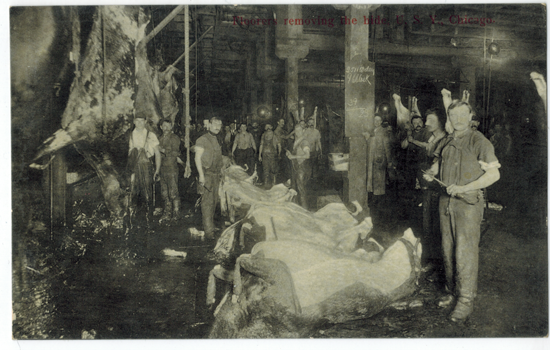
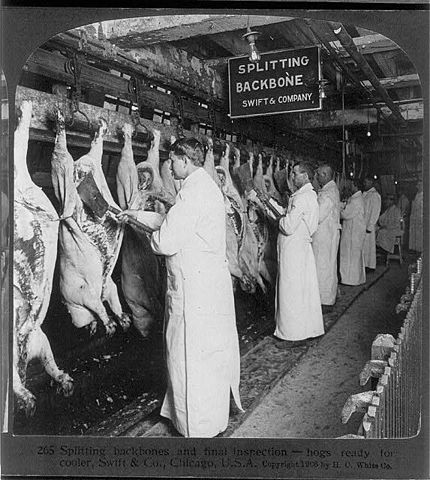
This video is a short and sweet summary of how Upton Sinclair’s book The Jungle led to changes in the meat-packing industry. It’s a great way to reinforce a discussion of the Pure Food and Drug Act, and it also shows some really interesting shots of the meat-packing industry back in the day.

You can use this in conjunction with my other free resources to teach The Jungle found in this blog post.

While you’re at it, check out my QR Code Scavenger Hunt on the Progressive Era in my TPT store. It’s a fun and engaging way to get students out of their seats while reviewing important aspects of the Progressive Era! Students LOVE my QR code scavenger hunts!

Interesting Wright Brothers Article

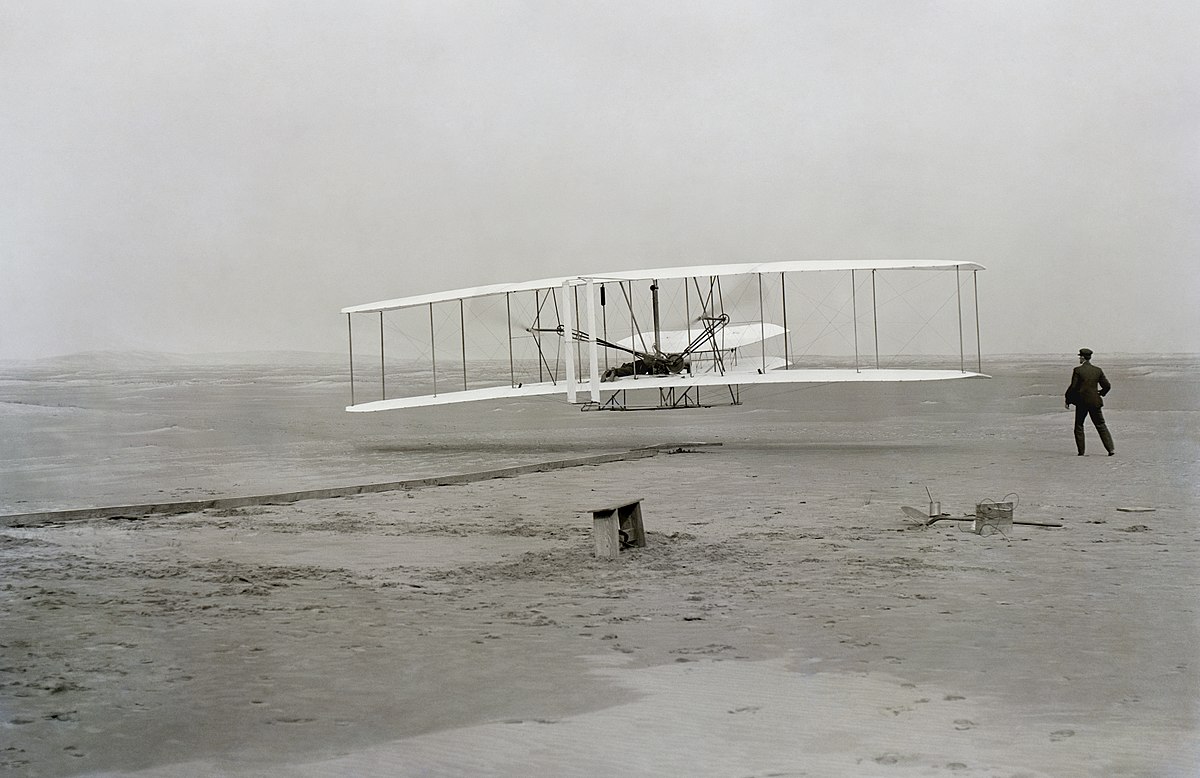
Did you know that Neil Armstrong took a piece of the Wright Brothers’ Flyer to the moon!!??  How cool is that!  I was teaching a lesson on the Wright Brothers in my American Inventors class and came across this link during my research.  It’s a History Channel article called “10 Things You May Not Know About the Wright Brothers.”  This sucker is full of fascinating info that will grab your students’ interest and make them want to know more.  As with most US history classes, I’m sure you probably won’t have time to spend a whole class period on the Wright Brothers, but this would be a great article to have your students read after they finish an assignment or test.  Remember, the more interesting you can make something or someone, the more likely your students will remember it and read more about it on their own time.

On a side note, how can you actually remember to fit this random article into your lessons/curriculum?  Take one afternoon and print off copies of all of the interesting articles that you would like to squeeze in to your curriculum throughout the year.  Put them in a folder and keep them someplace handy (or at least bookmark them or put them in a digital folder).  Whenever you have an extra 5 or 10 minutes to fill, pull out an article to cover.  But what if it’s not chronologically appropriate?  What if you don’t have any articles that fit the time period you are covering?  SO WHAT!  Who says history has to be covered chronologically?  As long as an article or activity leads to learning of some kind, it’s valid!  (Plus, over time, you can collect more and more articles like these and eventually have a nice assortment from various time periods.)

Teddy Roosevelt Video Footage at the Library of Congress

According to the Library of Congress, “It has been said that during the silent newsreel period no president was more photogenic than Theodore Roosevelt. He was unusually cooperative with motion picture photographers, often pausing in the midst of official ceremonies to face the camera, bow, wave, smile, gesture, or otherwise accommodate the cameraman.”1

The Library of Congress has a good bit of video footage of Roosevelt at various places and events.  These things are really neat to watch!  Not only do you get to see the man himself, BUT you get a good glimpse of the crowds that came to see him.  Check out the outfits that everyone wore!  In some of the footage, it may take a minute or more for TR to appear.  If you want to show a few of these to your students, play a quick game of “Who Can Spot Teddy Roosevelt.”  Make sure that you watch the clips beforehand, so that you know when Roosevelt will appear (in case your students miss it and don’t see him).  Remind students that this is not some old movie with people in costumes; these were actual people in these clips!  They might get bored watching all of each clip, so you may want to show just a couple of minutes.  You could also show one a day for a few days at the end of class.  Here are a few below.  To see the full list of videos with descriptions, click here.


1 Theodore Roosevelt on Film – Theodore Roosevelt: His Life and Times on Film. (n.d.). Retrieved October 12, 2016, from https://www.loc.gov/collections/theodore-roosevelt-films/articles-and-essays/theodore-roosevelt-on-film/

Using Excerpts from The Jungle to Teach About Muckraking and the Progressive Era

I will never forget reading an excerpt from Upton Sinclair’s The Jungle.  I was so grossed out that I did a full-body shiver.  YUCK!  And then I thought…what a great way to get students’ attention!  The gross-out factor is always an easy way to hook your students, and there are a few times in a US History course when the opportunity arises to use such a ploy.  If you are covering muckrakers and the Progressive Era, excerpts from The Jungle are a must.  I poured over pages of the book and compiled my favorite passages here.

So how can you use these passages?  I used them with window notes.  (If you are not familiar with window notes, you can watch a short prezi on them here, but I think you will understand the basics just by looking at my PowerPoint slides.).  Essentially, you are allowing students to take notes in such a way that it appeals to different types of thinkers and multiple intelligences.  First, display this PowerPoint on the board for the students to copy.  Then, you have two options:

1- Read some of the passages aloud.  If you do this, I suggest that you read them twice.  The first time through, have all students put their pencils down and just listen and focus on what they are hearing.  Then, during the second reading, allow students to fill in the notes as you read.  (I loved hearing the students’ reactions as I read the gross parts out loud!)  If you read these, I suggest only choosing a couple of passages, as reading them all might stretch your students’ attention spans too much.  Plus, the point can be conveyed thoroughly with only one or two of these passages.

2- Have students read the passages silently and fill in the notes as they go.

The PowerPoint that I have created has two different options to give you an idea of what you can do.  You can be very general or very specific.

Other Options:

  • Use an excerpt as a bell ringer to introduce muckrakers or labor unions.
  • Read one aloud and have students write a short freewrite as an exit ticket.
  • Have students create a poster protesting the working conditions in the meat-packing factories.
  • Have students imagine that they are a worker in a meat-packing factory and have them create a journal entry about a day at work.

Also, for you economics teachers out there, you can use these to introduce the importance of government regulation and how it protects the public.  Even if you don’t use them, the excerpts are a great read…and they’ll definitely make you more appreciative of the FDA!


Photo Chicago Meat Inspectors in Early 1906, Library of Congress, public domain