Two Exciting New Products! Lots of US History Help!

I’ve been slaving away behind the scenes to finish something I’ve been working on for a while! The first is a massive list of US History Assignments. I ended up with over 211 assignments and 15 printable templates! I’m breaking them up into 2 separate products based on time period. The first is 101 Assignments for Colonies to Civil War. I’m still putting the finishing touches on the second part, 110 Assignments for Reconstruction to 9/11. I hope to have that one available within the month!

I also have a set of 180 discussion starters and bell ringers I’ve been working on. You can find that here which also includes a link to a free sample download.

Use the code BLOG20 to get 20% off of your purchase!


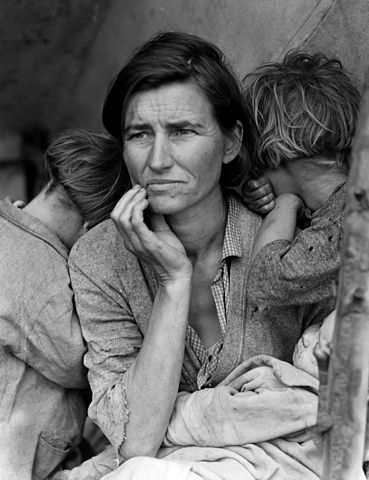
Great Depression Song to Use in Class

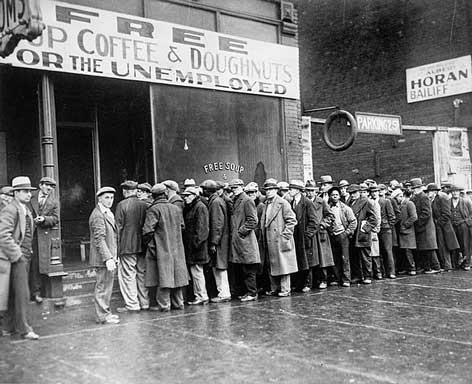
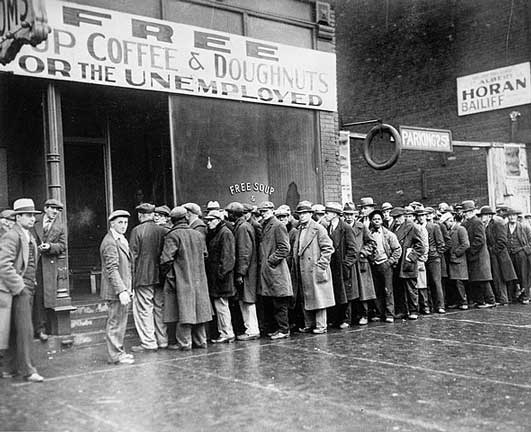
One of the most popular songs of the Great Depression was “Brother, Can You Spare a Dime.” In it the writers express the fear, anger, and despair that many Americans were feeling during this time. This song is definitely, well, depressing. It’s a great classroom aid though! Use it to set the mood for your students.

Give your students a copy of the lyrics and play the song. Ask them to answer the following questions:

  • What is the mood of this song?
  • What historical references to events before or during the Great Depression do you see in the song?
  • What kind of feelings does this evoke in you?
  • Why do you think this song was so popular during the Great Depression?

You can also use “Song of the South” by Alabama to talk about the Great Depression. It’s a little more upbeat and some of your students may recognize it. Print out the lyrics and have your students highlight all of the references to the Great Depression.

Great Duke Ellington Jazz Video to Use When Teaching the Harlem Renaissance

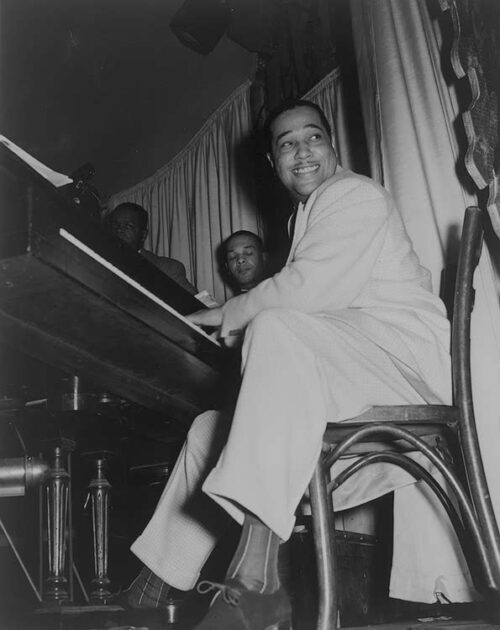
If you want to show your students an awesome jazz performance when discussing the Harlem Renaissance, this video is great (see below)! It features famous African-American bandleader Duke Ellington (at the piano) and Ella Fitzgerald. While this particular performance took place long after the Harlem Renaissance when these two greats are in latter part of their careers, it is an excellent example of one of the most well-known jazz songs to come out of the Harlem Renaissance (it was written by Ellington). (Side note: While Ellington was an important figure during the Harlem Renaissance, Fitzgerald started making a name for herself at the very end of the Harlem Renaissance.) You can also use this video to explain to students what scatting is starting at around 1:24. After watching this clip, it’s easy to see why Fitzgerald is called the First Lady of Song!

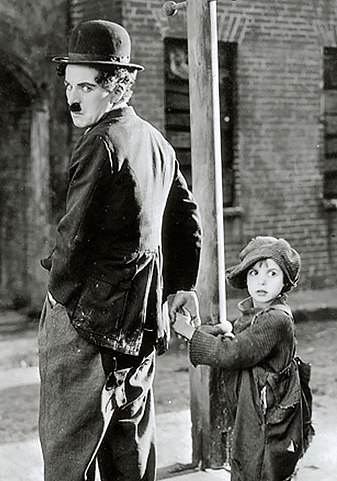
Charlie Chaplin Video/Example of Silent Film

When covering life in the 1920s, it’s always good to mention mass media and various important figures. Charlie Chaplin is one of several 1920s figures I usually cover. I found a great clip today of Charlie Chaplain in The Kid. It’s a great example of a good silent film, as well as the work of Charlie Chaplin. It also shows our students that humor is often timeless and that the latest technology is not always needed to entertain or make a statement.

This clip is a great filler to show at the end of class or to grab students’ attention at the beginning of class!

Musical Intro to Roaring Twenties

I think music can convey some things so much better than words.  When I was introducing my students to the Roaring Twenties, I decided to use music to make my point.  I displayed the following on the board:

This music characterizes life in the 1920s.  Do you think society was generally:

  • Fast-paced or slow-paced?
  • Poor or prosperous?
  • Traditional or changing?

Then, I played them the “Overture” and first part of “All That Jazz” from the movie/musical Chicago.  (See the Youtube link if you don’t have the song.) I only play the first minute or so, because A- the kids might lose interest and B- the words to “All That Jazz” start in.  You probably don’t want your students to be singing, “Where the gin is cold, but the piano’s hot,” as they leave your classroom, so I would most definitely stop it before the words kick in.  If you listen for the music to slow down, that’s your cue to stop it before the words begin.  While the song is not a legitimate 1920s song, I think it captures the spirit and sound of music from that time period.

After you stop the music, have your students answer the questions on the board.  Use this as a discussion starter or a way to begin discussing life during the Roaring Twenties.

Here’s a PowerPoint slide to display on the board.

Here’s the Youtube video of the song:

Photo: Louis Brooks.  Public Domain.

Great Depression Video

How did the Great Depression start?  Here’s a very informative video about the Great Depression that can tell you that and more.  It does an excellent job of explaining how the Great Depression came about.  It is clear, straightforward, and easy to understand.  The video is 7 minutes and 30 seconds long, but you can stop it at 6 minutes if your students start to lose interest.  The last minute and a half is basically a silent comparison of Roosevelt and Hoover.  It does end a bit abruptly, but overall it explains the start of the Depression very clearly.