New Blog with More Social Studies Resources

I love finding new US History resources, but for years I have wanted a place to catalog and post all of the resources I find for my other classes such as Geography, World History, and Economics. 

I’ve kicked around the idea of having two blogs for a while, and I finally decided to go for it. There’s still a lot in the works, but I have started posting resources, and I’m so excited that I can post so many things for so many different areas!

And so, I give you my new blog, The Social Studies Life. For now, I will be updating both blogs and will still continue to post US History resources on this blog unless I feel like I can’t keep up with both. But if you need resources for other social studies classes, be sure to check out my new brainchild! I’ve got a lot of video resources on there now, but I’m hoping to add more free printables as time goes on. I’ve also got some Economics resources that I used to sell but am going to release as freebies!

Also, don’t forget that I love hearing about free resources that I can share with others, so feel free to use the Contact form on either website to let me know of any awesome new resources you come across.
How to Have Happier Students and a Happier You

Are you grateful? Are your students? Did you know that studies show that people who are grateful sleep better, have higher energy levels, have higher self-esteem, and are happier? When is the last time you asked your students what they are grateful for? And while this may be too personal question to have students answer out loud, I’m sure you could encourage your students to write down one thing they are grateful for once a week or even every day! Looking for things to be grateful for helps retrain neural pathways to see the good in life rather than the bad. Don’t students need this ability? Don’t you and I?

If you don’t want to implement a gratitude exercise in class every day, that’s understandable. But how about once in a while when you finish class a few minutes early but don’t have quite enough time to start a new activity?

Give your students this sheet to put in their notebooks and have them fill it in occasionally.

I came across this article that is an interesting read about gratitude of historical figures in their own words. My absolute favorite quote is from Frederick Douglass:

“From Mas’r Daniel I got protection from the bigger boys, and from Miss Lucretia I got bread by singing when I was hungry, and sympathy when I was abused by the termagant in the kitchen. For such friendship I was deeply grateful, and bitter as are my recollections of slavery, it is true pleasure to recall any instances of kindness, any sunbeams of humane treatment, which found way to my soul, through the iron grating of my house of bondage. Such beams seem all the brighter from the general darkness into which they penetrate, and the impression they make there is vividly distinct.”  Frederick Douglass1882

Frederick Douglass was in SLA-VER-Y. He found something to be thankful for in his life of slavery. What a great attitude! He chose to find some good in the injustice of his early life. He was not a victim. He was a victor, an overcomer. And look at what he accomplished!

I am a very big advocate of not making people into victims. Students who feel empowered and grateful will accomplish far more than those who feel the world is out to get them. Be grateful! Write down what you are grateful for. Look for that silver lining! You’ll be better for it and so will your students.

Something Silly to Brighten Your Day

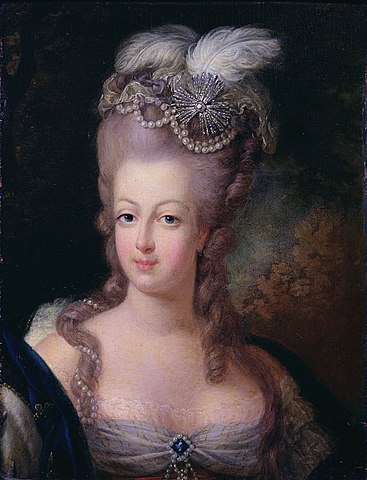
This video popped up on my Facebook feed. It’s history-related. It’s satire. It’s silly. It just made me laugh. It’s called “If Beauty Influencers Existed in the 1700s.” Yes, it’s stupid, but also fun. There’s probably some inaccuracies in it, but I’m not fact-checking all of that. It’s a just clever, history-related video that put a smile on my face. I don’t think that I’d use it in the classroom unless I fact-checked all of it.

Do you know of any awesome videos like this that you can use you the classroom? Send them to me! I’d love see them!

Three Free Online Quizzes – US Presidents, World War I and II

I stumbled across this quiz today on the US Presidents. It’s only 10 questions, but it would be a good, quick little time-filler at the beginning or end of class. It doesn’t have a lot of ads on the page either, unlike most online quizzes, which is a plus! I decided to look through all of their quizzes on the page and find any that were relevant to US History. See below for links!

You could use them as an introduction to a topic or to quickly gauge the overall knowledge of the class. These would also be an easy, fun way to do a little end of the year test prep/review. You can project the quiz on the board and complete it orally together or have students silently write their answers before you reveal the correct answer. I find that these quizzes are a fun way to fill a few minutes as a class when your students’ brains are fried and their attention-span is gone. In my opinion, an informal approach works best with these.

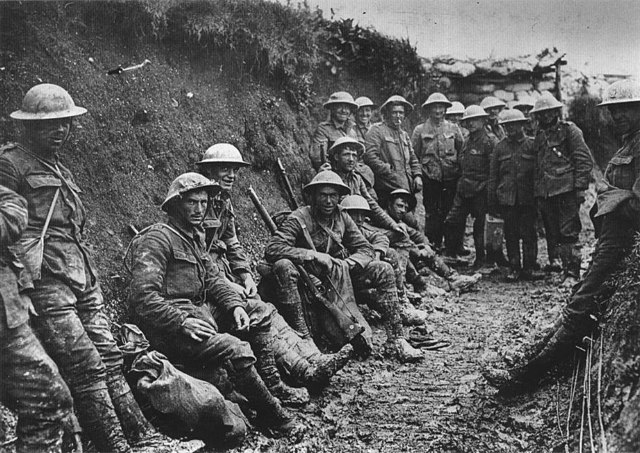
World War I Online Quiz

World War II Online Quiz

US Presidents Online Quiz

A Quick Veteran’s Day Lesson

Most of you don’t have time to devote a whole day to covering Veteran’s Day. It’s unfortunate, but it’s the truth. There is so much material to cover in US History that Veteran’s Day typically gets a very small piece of the pie, if any. How can you cover Veteran’s Day well, but also do it quickly?

First of all, make sure your students know what a veteran is. They probably do, but it’s always good to cover the basics. Then, show the first video below. It explains what Veteran’s Day actually is and how it came about.

After the video, ask the following questions:

  • Veteran’s Day originated because of what war?
  • What was Veteran’s Day originally called?

Then show the video below. It’s about five minutes long, but it’s really well done. It shows a lot of clips from various wars. It evokes an emotional response and presents veterans as real people. It really helps students see the “people” behind the word veteran.

Then, have your students write an informal reflection or freewrite answering some of the following questions:

  • What kind of sacrifices do veterans make when they are in the military?
  • Would you be willing to make those same sacrifices?
  • What would happen to the US if it did not have any armed forces?
  • How does our military make your life better?
  • How can you thank a veteran when you see him/her?

Download a free copy of these questions to display on the board here.

TPT Sale and Free Gift Card Drawing

It’s time for another TPT sale, and I’ve got a $10 TPT promotional gift card to give away to someone on one of my email lists! Sign up for my email list either here and I’ll enter you (along with my other email list subscribers) in a drawing to win that gift card. I’ll draw late Monday night and will email you if you are the lucky winner!

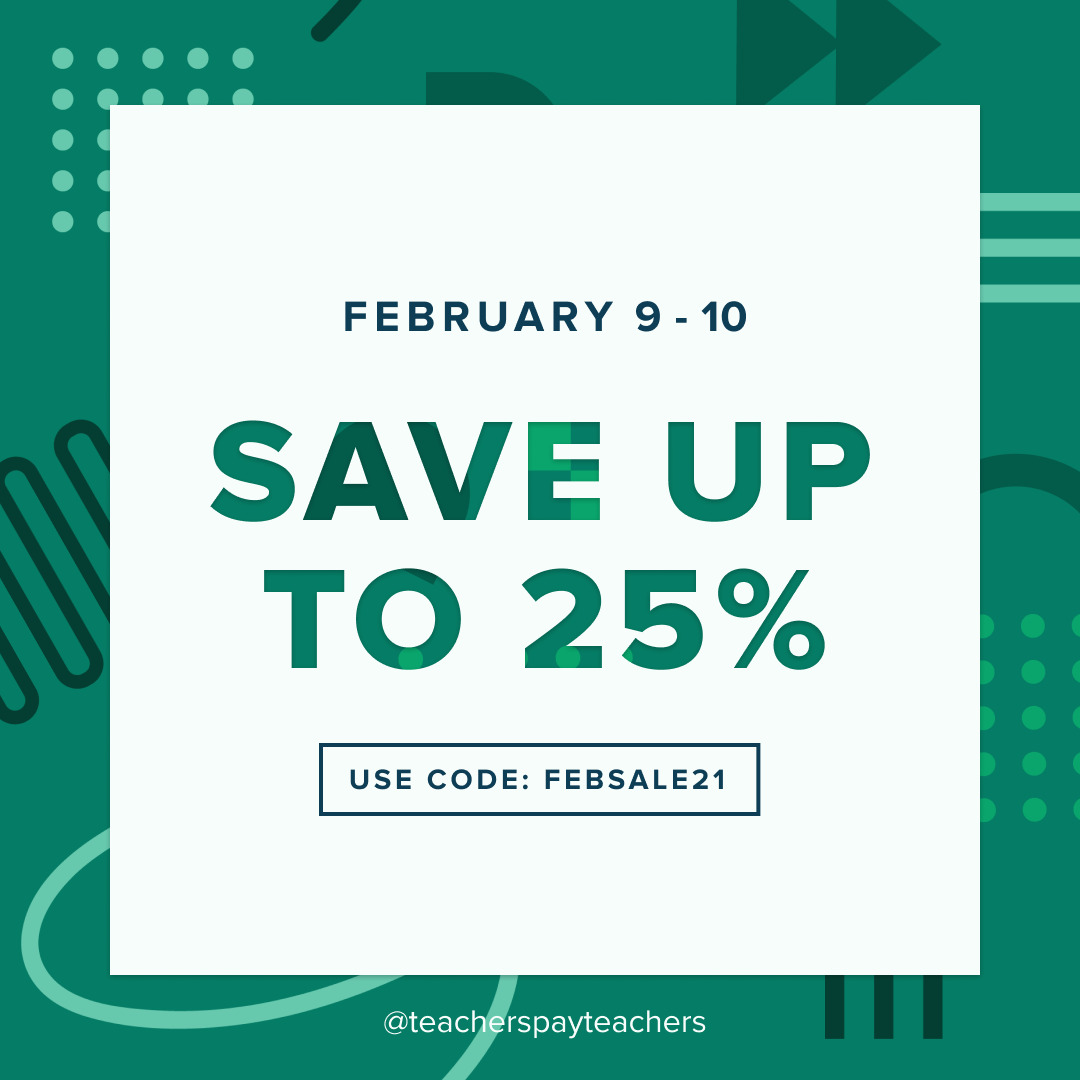
Even if you don’t win, you can still save big during the sale. The sale runs February 9-10. Use the discount code FEBSALE21 to save 25% on everything in my store!


Big Changes to the Site are Coming!

Changes are coming, and I’m SO excited!

I’ve decided to do 2 big things:

  1. change the structure of my site
  2. build a comprehensive list of resources

After taking a very long break from my podcast and blog for personal reasons, I’ve slowly been able to dedicate more time to updating my Let’s Teach History website. Since I’ve been able to revisit my site and really focus on it being useful, I realized that the organization of my site needs to change.

I already have over 130 links to free resources for teaching US History listed on my site.

Did you know that?

Can you find them all?

Of course not! I’ve realized that teachers don’t always have time to go searching through blog posts to find a resource. I want you to find what you need quickly. So, I’ll be posting easy-to-search lists of resources with links that will be organized by time period or by type.

I want to create a massive collection of quality, FREE resources to help high school teachers teach US History. I’m talking about worksheets, notes, videos, discussion starters, quizzes, and more! I’ll also be creating more of my own free and paid content along the way. My goal is to add at least one new resource/link a day! I’ll create a blog post every so often with a list of new resources so that you won’t miss anything new.

I’m hoping to make this changeover to the new format within the next two weeks! Be sure to come back and check out the more user-friendly layout! Also, if you have any resources you think should go on my list, use the contact form on my site to let me know!

Short Halloween History Videos

I always show my students a couple of short videos about the history of Halloween each year. Here are some of my favorites from the History Channel. The first gives a general history of Halloween. The second focuses more on the origins of trick or treating. Both are about 2-3 minutes long. Use them as a fun filler at the end of class or to grab students’ attention at the beginning of class. You can even use them to start a discussion about how American traditions and culture were influenced by other cultures.

Fun First Day Activity for US History

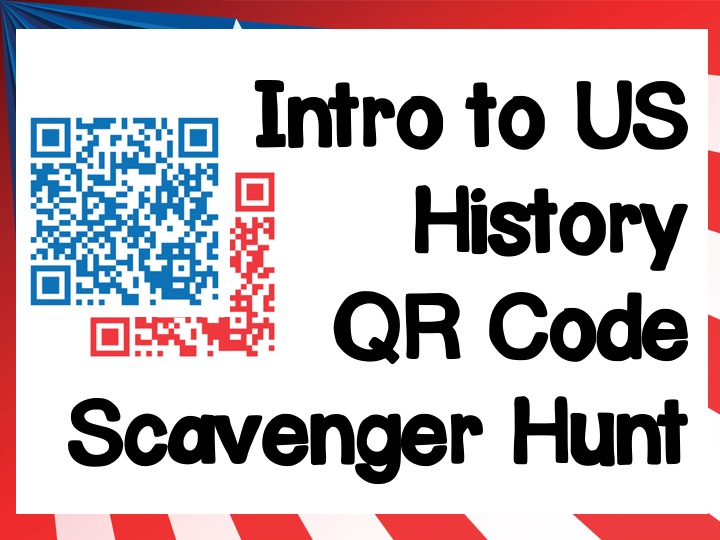
I’ve been wanting to create this for a while.  My Intro to Economics QR Code Scavenger Hunt is a hit.  I really wanted to make a QR code activity for the first day of US History but haven’t taken the time to do so.  I finally sat down and banged it out this summer.  I’ve been doing QR code activities with the students at the co-op where I teach and they LOVE them.  In case you don’t know, a QR code is a code that can be scanned using a smartphone or tablet.  During one of my QR code activities, students walk around the room searching for hidden QR codes.  Once they find a QR code, they scan it with their smartphones or tablets.  A QR app on the device (download this ahead of time…most are free) scans the code to reveal a question that the students must answer.  Unlike most QR codes you see on various products, my QR codes come up as plain text rather than something that must be accessed via an internet connection.  So, you don’t need Internet access to complete this activity.  It can be done individually, in pairs, or in groups.  These types of activities are great because they get students out of their seats and moving.  Check it out at my TPT store. I’m hoping to create more QR code activities that review or present US History content this year on TPT!

Interesting Wright Brothers Article

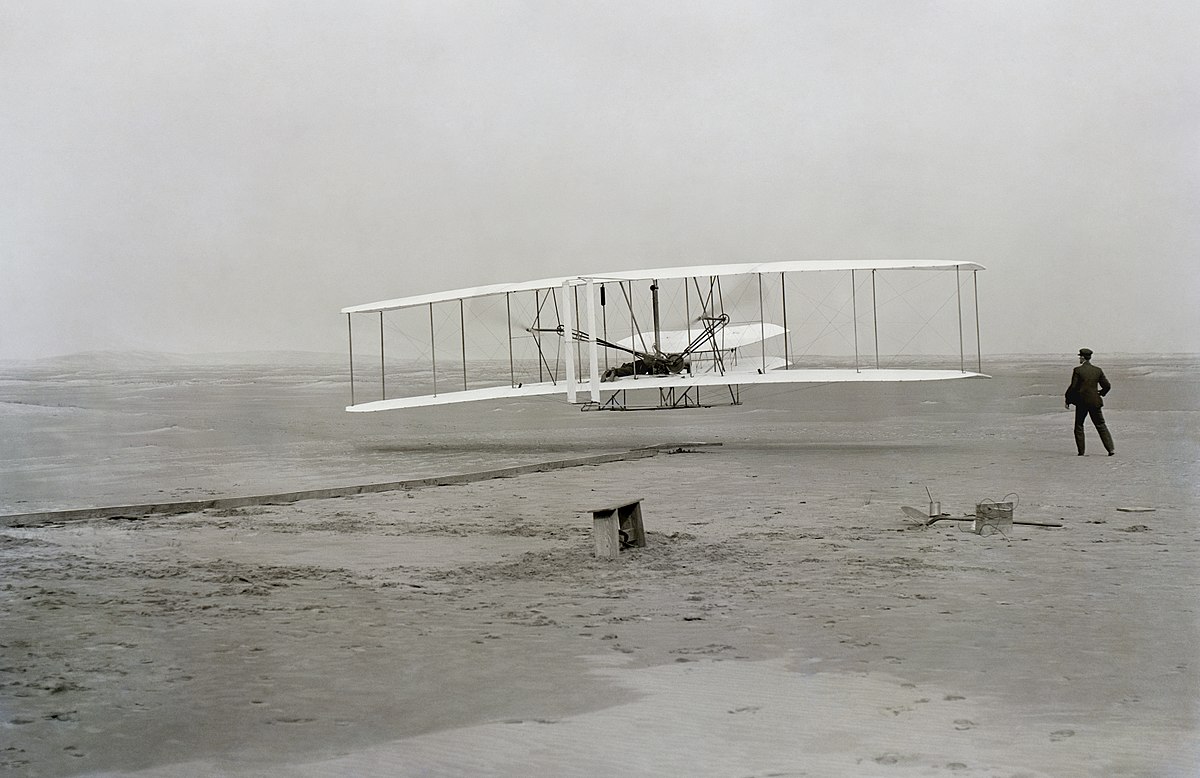
Did you know that Neil Armstrong took a piece of the Wright Brothers’ Flyer to the moon!!??  How cool is that!  I was teaching a lesson on the Wright Brothers in my American Inventors class and came across this link during my research.  It’s a History Channel article called “10 Things You May Not Know About the Wright Brothers.”  This sucker is full of fascinating info that will grab your students’ interest and make them want to know more.  As with most US history classes, I’m sure you probably won’t have time to spend a whole class period on the Wright Brothers, but this would be a great article to have your students read after they finish an assignment or test.  Remember, the more interesting you can make something or someone, the more likely your students will remember it and read more about it on their own time.

On a side note, how can you actually remember to fit this random article into your lessons/curriculum?  Take one afternoon and print off copies of all of the interesting articles that you would like to squeeze in to your curriculum throughout the year.  Put them in a folder and keep them someplace handy (or at least bookmark them or put them in a digital folder).  Whenever you have an extra 5 or 10 minutes to fill, pull out an article to cover.  But what if it’s not chronologically appropriate?  What if you don’t have any articles that fit the time period you are covering?  SO WHAT!  Who says history has to be covered chronologically?  As long as an article or activity leads to learning of some kind, it’s valid!  (Plus, over time, you can collect more and more articles like these and eventually have a nice assortment from various time periods.)

Assignment Ideas for the Week Before Christmas Break

You know it’s coming. That dreaded “week before Christmas break.” It’s a time when it’s every teacher for himself, and most educators believe that just for a few days, entire schools should be crop-dusted with ADHD meds.

What do you do? Half of your class has checked-out mentally and the other half have checked-out physically. If you are on a block schedule, then odds are that you have a few days sandwiched between end-of-course tests and Christmas break. If you only have a day or two, by all means, give your kids a break and watch a movie. You all deserve it. But don’t check out and just show something with zero educational value like Elf. Make sure it is a movie with historical content, and write a few class discussion questions on the board while you’re at it.

Sidenote: I recently was somewhat horrified to hear that some teachers the local area had students watch movies for the last TWO WEEKS of the semester because testing was over. I know that it’s hard to keep kids focused after testing, but if you automatically show movies to kill time you are telling your students several things:

  • School is about testing, not learning
  • Learning for learning’s sake is not valuable
  • It’s ok to take the easy way out

Movies in the classroom are ok as an occasional reward (be careful with this one) or to reinforce content, but they should NEVER take the place of instruction just because you don’t feel like teaching. Rant over.

What if your administrators won’t allow movies or you have more than just a day or two to kill? What then? Well, the thing to keep in mind is that you want assignments that meet the following criteria:

  • Creative (Kids are burned out from test or distracted by the coming break.)
  • Adaptable (Kids will be sporadically absent. Do something that can work with any subject matter and any amount of students.)

So just what can you do when things are crazy? Here are my assignment ideas to help get you through the pre-Christmas craziness. (Keep in mind that these can be used at the end of the year in May/June as well.)

  • Have students design a commemorative Christmas ornament about a historical figure. I just posted a very detailed version of this assignment on Teachers Pay Teachers. It will be free for a limited time. Get it while you can, and if you like it, please leave me a good review!
  • Put students in groups and have them act out historical events for the class to guess. (Each group must provide 3 clues within their skit and must give you a hard copy of the clues before they perform.)
  • Have students create a song in which they replace traditional Christmas lyrics with those about a historical event. Click here to download my stellar creation about Valley Forge called Deck the Tents…sure to be a blockbuster hit! 😉 If your students choose this option, take a picture of the lyrics and project them on the board. Have the class sing it together! Get into it and make it fun and silly.
  • Have student write poetry, create raps, or make acrostic poems about historical figures.
  • Have students plan a very brief presentation answering one of the following questions: What historical figure (that we have studied) would you like to meet and why? What historical event (that we have studied) would you like to have witnessed and why? Students should give 3-5 solid reasons for their feelings. Require students to make a bulleted list that they must eventually turn in to you, which will help them solidify/organize their thoughts. (You could make them write an essay, but the whole point of these activities is that they are low-stress for students. If you think your kids can handle it, go for it.) Then have students get in small groups and share their presentations.

The common thing about all of these activities is that they can be adapted to almost any subject, they allow kids to get creative, and they require very little planning on your part!

Good luck! You’re almost there!

*Image copyrighted and used in accordance with license agreement at Canstockphoto.com

Biography Book Cover Assignment

If a book was written about your life what would it look like? What picture would be on the cover? What tag line would be used? What would the summary on the back say?

While working on my lesson for Benjamin Franklin, I decided to have my students create a book cover for a biography about him. This would be a great idea to use with any historical figure that you wanted your students to know a lot about.


You could use this book cover idea to reinforce the importance of people such as:
  • Christopher Columbus
  • George Washington
  • Thomas Jefferson
  • Andrew Jackson
  • Civil War generals
  • Abraham Lincoln
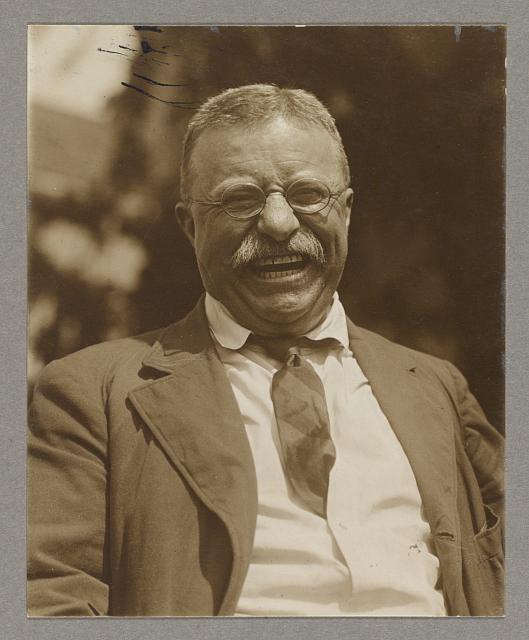
  • Teddy Roosevelt
  • Franklin Roosevelt
  • Dwight Eisenhower
  • Martin Luther King, Jr.
My students have to include the following things:
  • A catchy title that reflects the life of the person
  • A picture that represents that person’s life
  • A tag line under the title that gives a little more information (A phrase or one-line summary of this person)
  • A paragraph on the back of the book that gives a summary of the book, which includes some details of this person’s life/interests/importance.  (You may want to give a specific number of details required if you think your students might skimp on the information.)
  • You could also include an optional book endorsement quote by someone who would have known the person. (If the book was about Ben Franklin, you could have something like this… “A great book about a great man.” – Thomas Jefferson)
I whipped up a quick book cover template that I thought I’d share with you.  It would be a good idea to also show your students several copies of real book covers, so they get an idea of what you want.  (Just run down to the media center before class and grab a few.)

Fun, Free Quizzes to Use as Fillers at the End of Class

There are five minutes left in class.  Your students are tired.  It’s too late to start anything new and you don’t have an exit ticket idea to fill the time.  What do you do?  It’s always a good idea to have some quick, fun “filler” activities up your sleeve for just such a time.  Here is a great one…

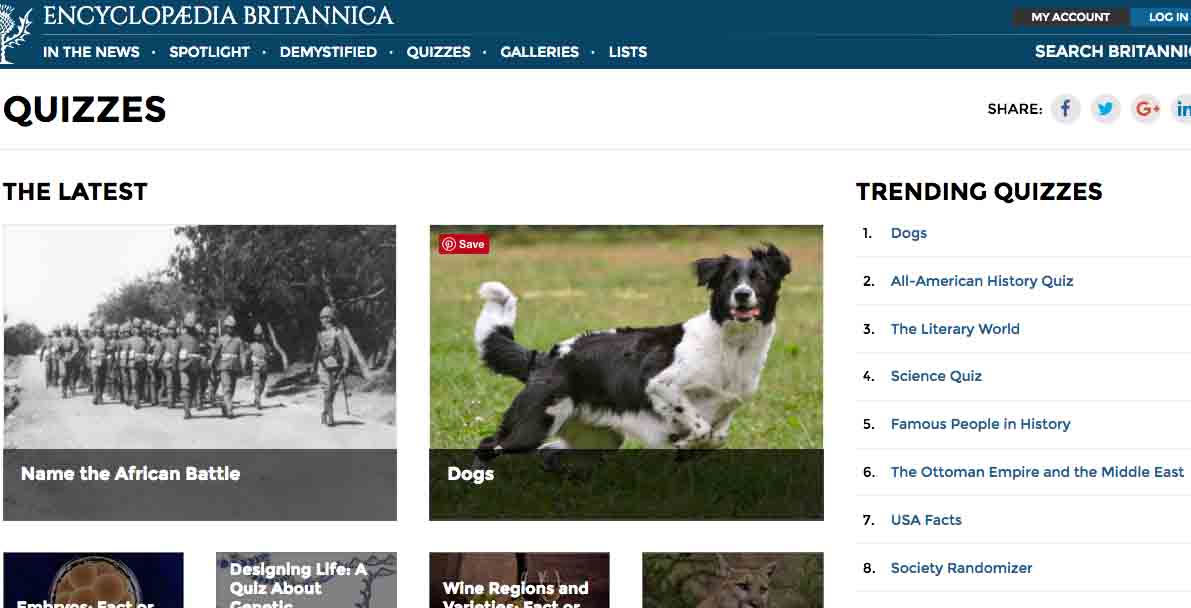
For years I’ve been using Encyclopedia Britannica instead of Wikipedia.  (I want a reputable source for my information, rather one that literally anyone can edit.)  I have NEVER noticed, until today, that they have a tab at the top of their page called “Quizzes.”  I clicked on it and, what do you know, they have a bunch of free quizzes.  Wouldn’t it be convenient if they happened to have some about US history?  Well, they do!  These quizzes are usually around 10 questions and are graded immediately after you answer each question.  The only catch is that each question must be answered within 10 seconds or it is counted wrong, and those 10 seconds go by really fast!  The faster you answer, the higher your score is.  On the score page at the end of the quiz, you can scroll down for detailed answers to each question.

How can you use this?  Bookmark these quizzes and put them in a folder in your browser labeled “Filler” (or maybe something less obvious to your students, like “5 Minute Fun”).  Then, you can pull one or two of these up on your projector or interactive board and let your students try them.  Since this is a filler activity, you can let the kids just yell out the answers and quickly decide what they collectively think is the correct answer..  If that is too loosey-goosey for you, have them answer silently and keep track of their points on a scratch sheet of paper.

There are over 150 history quizzes!  (They also have a Geography section.)  I’m providing links below to the ones that I like best.  You can also click here and scroll down to browse all of their quizzes.  One other thing to note: you don’t have to do a quiz that is associated with the content you are currently covering.  Sometimes it’s good to throw some random knowledge out there and remind students that any learning is good, regardless of whether it will “be on the test.”

US Presidential Elections

US Presidential Firsts

First Ladies of the United States

John Adams or John Quincy Adams

Salem Witch Trials

Republican or Democrat

Abraham Lincoln

Soldiers in Petticoats:  Fact or Fiction

US and Cuba

19th Amendment and Women’s Suffrage

US Presidential Nicknames

The Titanic

World War I or World War II

Pirates:  Fact or Fiction

The US: Fact or Fiction

Which of these quizzes is your favorite?  What’s the highest score you or your class achieved?  Let us know how you did in the comments below!


Blank Newspaper Worksheet: 4 Assignment Ideas

Have you ever found a cool news article that you want to make sure your students read and understand?  This sheet, covering the 5 W’s of a newspaper article, was created to be used with the NY Times, but it can be used with any news article.  It’s a fillable PDF, so students can fill it in online or you can print a blank copy.

Classroom Uses:

  • Give students current event articles relating to historical discoveries or events and have them complete the sheet.
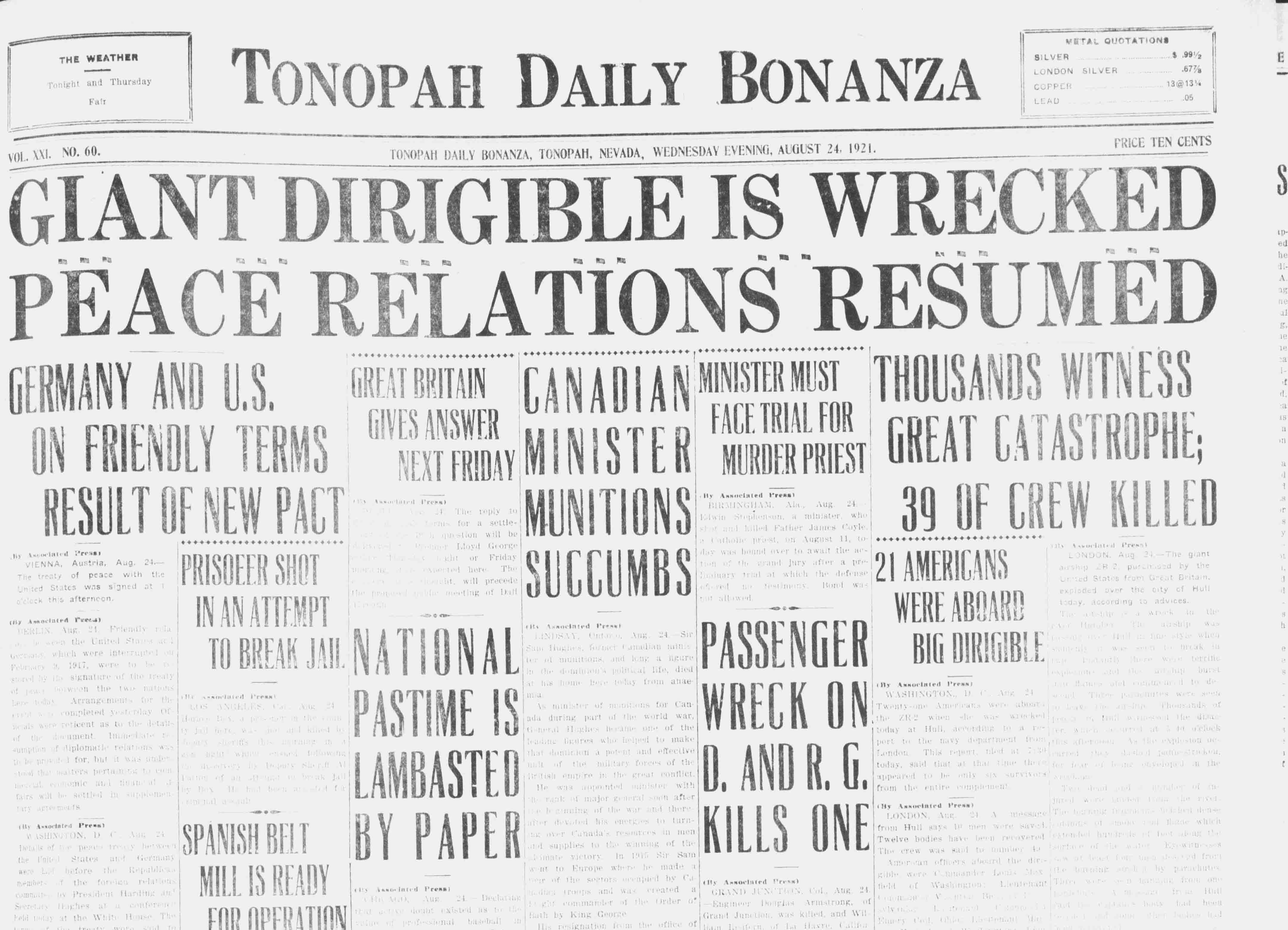
  • Give students old newspaper articles about historical events and have them read the article and complete the sheet.
  • Have students read a news article from this list and fill out the form.
  • Use the form as a planning sheet to help a student write their own fake news article about an important historical event.

What other ways could you use this in the classroom?  Share your ideas in the comments section below.


Tips for Remembering Constitutional Amendments

Do you know about ALL of the amendments to the Constitution?  Can you tell me what each one changed or added to the Constitution?  I can’t (gasp).  I’m betting your students can’t either (and probably you neither, unless you’ve been teaching Civics for a while).  Well, I found this video that gives some quick pneumonic devices to help you remember some of the more important amendments.  You don’t necessarily need to show this to your students, but I would watch it and go over these tricks with your students (and use them yourself).  The tip about the Reconstruction amendments is pretty helpful.

The one that he didn’t cover, which I think is super-important, is the 19th amendment, which gave women the right to vote.  I actually scoured the internet (ok, I looked for 10 minutes) to see if anyone else had tips for remembering the 19th, and I couldn’t find anything useful!  I used to tell my students to imagine a bunch of women standing in line to vote wearing t-shirts that say “19” or imagine a bunch of girls jumping up and down squealing, “I’m 19!”  You know, that would be a good extra credit assignment; have students come up with easy and creative ways to remember the some of the important amendments.

Do you have any neat ways to remember amendments?  Leave them in the comments below!

Maps…They’re Not Just For Geography

Did you know that I could once name and locate all of the countries in Africa?  How many people can say that?  (Well, you might be able to if you teach Geography, but even most social studies teachers don’t know them unless they end up teaching a geography class.)  How did I do that?  It was quite simple.  I had a really good college professor that loved geography and made African geography interesting.  One of the most helpful and yet simple activities we did in class was to color and label a map of Africa.  Yes, we colored…in college…and it worked.  I know that adult coloring is all the rage right now, but when I was in college most people would have looked down on a professor that resorted to coloring to teach a college class.  I have a very distinct memory of myself sitting in class at Clemson University coloring maps and LOVING it!  It seemed simple, but coloring maps appealed to various learning styles of the students in the classroom and enforced the content multiple ways.

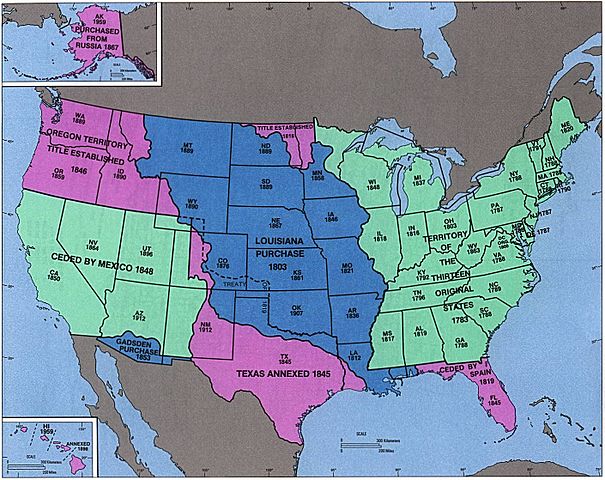
So, what does that have to do with US History?  Oftentimes, we talk about land acquisitions without ever showing students a map of the result of said acquisition.  Yes, the Louisiana Purchase made a HUGE impact on the size and natural resources of the US; but you don’t really get an idea of just how huge it was until you show it on a map.  Did you remember the size of the Louisiana Purchase from your high school classes?  Probably not.  But how many maps were you shown?  How many did you color and label?  Probably none.

You get my point.  Give your students blank maps and have them color and label important historical events, acquisitions, or information.  Don’t think you have time?  Some maps will only take 5 minutes to complete.  You can always set a time limit and whatever the students don’t finish in class must be completed for homework.  Some maps, such as a map showing land acquisitions of the US, would serve as excellent end of course review material!  See some examples of assignments below:

American Colonies Map – Use the map found here.  (No longer available.) Have students create a map of the 13 colonies.  Students must label each colony and color the three main colony divisions:   northern, southern, and middle colonies (or mid-Atlantic).  Students must also insert symbols for economic activities and religious groups.  Students must create a legend to go with their map.

Civil War Map – Use the map found here and tell your students to create a map depicting Union and Confederacy states and capitals.  You can also have students label Fort Sumter, important battles, or other items (the Mississippi River).  Explain the anaconda plan and have students label elements of the plan on their map.

Western Trails Map – Use the map found here.  Have students trace and label the route that they would take to go west.  They must label cities in which they would start and finish.  On the back, you can have students explain which route they chose and why.

Land Acquisition Map – Use the map found here.  Have students label and color all of the major US land acquisitions.  Have them include the year we got each piece and who we got each piece from.

I actually found two products on Teachers Pay Teachers that give you almost all the maps you might want for US History.  There are two different packages based on time period.  Each is $9.95.  Click here and here to learn more.  If $20 seems a little steep to you, just Google a map you want and you should be able to pull it up.  You may have to do a little copying, pasting, and resizing, but only once per map.  Save it and use it again and again.  The return on time invested will be worth it.

Keep Calm and Study History

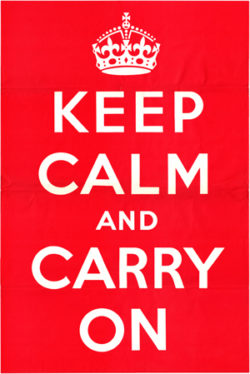
Ummm, how did I not know this?!  I was researching for one of my TPT products that I’m working on, and I stumbled upon the fact that the “Keep Calm and Carry On” shirts, posters, memes, etc. are based on a British propaganda poster from World War II!

Apparently, this particular phrase and poster was produced in 1939 to boost British morale in case the major cities experience bombings.  (Speaking of bombings, check out my podcast on the Battle of Britain.)  I know that these posters and such have been around for a while, but I can’t believe I didn’t know their origin!  This is definitely a very concrete example of how history has influenced modern life and pop culture.  Share this awesome example with your students and remind them to…

“This Day in History” Websites

You know that excited-yet-also-frustrated feeling you get when you come across something that is awesome and can totally help you out in the classroom?  You have that whole, “Why haven’t I found this sooner” moment.  Well, I had that when I came across this website today.  I was looking for a particular historical picture on the Library of Congress website (which has an amazing, yet overwhelming amount of stuff on it), when I came across their “Today in History” series.

When I taught full-time, I always had a “This day in history” segment in my bell ringer.  I would display one significant historical event (not necessarily specifically related to US history) on the board and discuss it briefly with my students.  When I did it, I had to create a PowerPoint slide with a picture and explanation for each school day of the year.  It took me a while to research and create them.  I did have a book called Today in History, which helped, but it was still time-consuming.

The students really enjoyed it.  Guess what?  You don’t have to go through all of that work to do this in your classroom. You can just go here and find the date you need.  Under each link for each date, there is a page about at least one historical event which contains a picture and an explanation.  It’s really easy to navigate!  Also, each page (or at least all of the ones I checked out) had links at the bottom to related Library of Congress resources.  Even if this doesn’t become a daily feature of your classroom, you could always keep it handy in case your lesson runs short and you need a filler for the last few minutes of class.

By the way, the History Channel also has a really good This Day in History page, which is accompanied by a video.  However, the video has a commercial and sometimes the videos are slow to load.  Also, the History Channel video covers 5 or 6 topics, and sometimes it’s more effective to focus on one particular event rather than mention several briefly.  Either way, both of these resources can save you time!


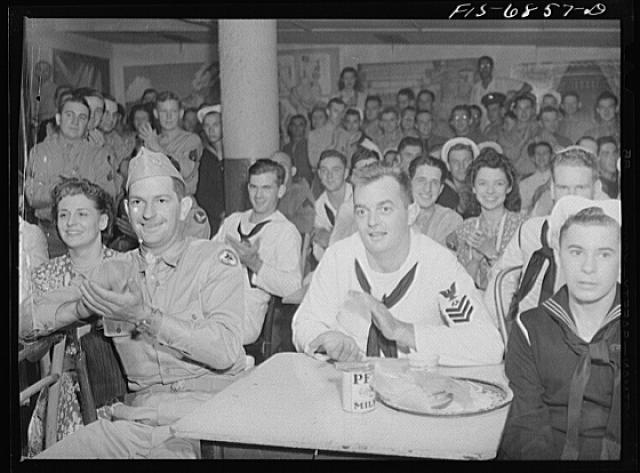
Photo:  Collins, M., photographer. (1942) New York, New York. Audience at the Stage Door canteen. Aug.?. [Image] Retrieved from the Library of Congress, https://www.loc.gov/item/owi2001009097/PP/.