Free Martin Luther King, Jr. Online Quiz
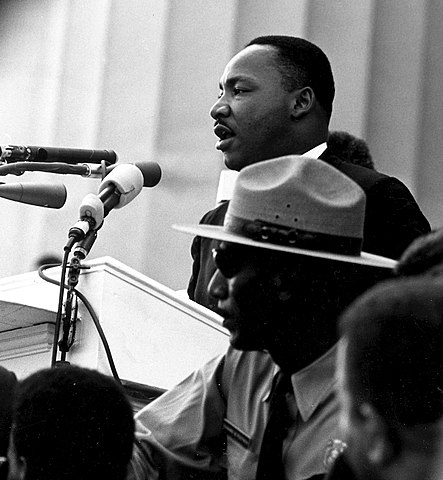
Aren’t online quizzes fun?  They test your knowledge and give you immediate feedback.  Occasionally, BrainPop will have free stuff on their site.  (Click here to see what they are offering for free at the moment.)  They currently have a video and quiz about Martin Luther King, Jr.  The video is very informative but may be a little childish for high schoolers.  However, the 10-question quiz is interactive and would be a great bell ringer or warm-up at the beginning a class or lesson (if you have an interactive board or projector).  Go through each question and have the students collectively pick the correct answer.  It’s not a ground-breaking resource, but it would be a great tool to break the monotony of doing the same thing every day.  This resource may not be free indefinitely, but I used it last month and it’s still free now.

Use this resource to:

  • Gauge your students’ prior knowledge
  • Start a discussion
  • Review previously covered material
  • Fill the last few minutes of class before the bell rings

 

Great Discussion Starter About the Cold War

If you have ever watched anything on Discovery or TLC or History Channel, at some point you’ve probably heard the fabulous voice of Mike Rowe. Among other projects, Mike has an awesome podcast called The Way I Heard It. He takes events or people that are well-known and adds a unique storytelling element to them that creates quite a bit of suspense. Most episodes are only about six minutes long, but they pack a powerful punch.

I was listening to one episode the other day, and I heard an amazingly interesting story that will definitely pique your students’ interest. You need to listen to “Episode 3: Clean Up on Aisle Four.” I don’t want to give away what or who the story is about, but this episode would be a GREAT little tidbit to add to your discussions somewhere in your unit about the Cold War. (I don’t want to get too specific or it might ruin the effect of the story.  Sorry!) If you want to skip the intro stuff, you can jump to the 40-second mark. The total story only lasts about four minutes, but that four minutes is enough to make an impact.

Classroom Uses

  • This would be a great bell-ringer or discussion-starter to begin class.
  • You could have students listen to this and complete a free-write.
  • Use this to help your students develop better listening skills.
  • Have students complete Window Notes on the podcast to encourage students to actively listen and then process the info.  (Here’s an example of Window Notes that I used in an earlier post.  Essentially you have them divide their paper into 4 sections.  Each section deals with a reading passage or listening exercise from different learning perspectives/styles.  Can be formal or informal.)  With Window Notes, you may want to listen to the podcast twice.

Isn’t it a great story?!  If I come across any more episodes that I think would work in class, I’ll post more later!

Photo used in accordance with licensing from Clipart.com.

Assignment Ideas for the Week Before Christmas Break

You know it’s coming. That dreaded “week before Christmas break.” It’s a time when it’s every teacher for himself, and most educators believe that just for a few days, entire schools should be crop-dusted with ADHD meds.

What do you do? Half of your class has checked-out mentally and the other half have checked-out physically. If you are on a block schedule, then odds are that you have a few days sandwiched between end-of-course tests and Christmas break. If you only have a day or two, by all means, give your kids a break and watch a movie. You all deserve it. But don’t check out and just show something with zero educational value like Elf. Make sure it is a movie with historical content, and write a few class discussion questions on the board while you’re at it.

Sidenote: I recently was somewhat horrified to hear that some teachers the local area had students watch movies for the last TWO WEEKS of the semester because testing was over. I know that it’s hard to keep kids focused after testing, but if you automatically show movies to kill time you are telling your students several things:

  • School is about testing, not learning
  • Learning for learning’s sake is not valuable
  • It’s ok to take the easy way out

Movies in the classroom are ok as an occasional reward (be careful with this one) or to reinforce content, but they should NEVER take the place of instruction just because you don’t feel like teaching. Rant over.

What if your administrators won’t allow movies or you have more than just a day or two to kill? What then? Well, the thing to keep in mind is that you want assignments that meet the following criteria:

  • Creative (Kids are burned out from test or distracted by the coming break.)
  • Adaptable (Kids will be sporadically absent. Do something that can work with any subject matter and any amount of students.)

So just what can you do when things are crazy? Here are my assignment ideas to help get you through the pre-Christmas craziness. (Keep in mind that these can be used at the end of the year in May/June as well.)

  • Have students design a commemorative Christmas ornament about a historical figure. I just posted a very detailed version of this assignment on Teachers Pay Teachers. It will be free for a limited time. Get it while you can, and if you like it, please leave me a good review!
  • Put students in groups and have them act out historical events for the class to guess. (Each group must provide 3 clues within their skit and must give you a hard copy of the clues before they perform.)
  • Have students create a song in which they replace traditional Christmas lyrics with those about a historical event. Click here to download my stellar creation about Valley Forge called Deck the Tents…sure to be a blockbuster hit! 😉 If your students choose this option, take a picture of the lyrics and project them on the board. Have the class sing it together! Get into it and make it fun and silly.
  • Have student write poetry, create raps, or make acrostic poems about historical figures.
  • Have students plan a very brief presentation answering one of the following questions: What historical figure (that we have studied) would you like to meet and why? What historical event (that we have studied) would you like to have witnessed and why? Students should give 3-5 solid reasons for their feelings. Require students to make a bulleted list that they must eventually turn in to you, which will help them solidify/organize their thoughts. (You could make them write an essay, but the whole point of these activities is that they are low-stress for students. If you think your kids can handle it, go for it.) Then have students get in small groups and share their presentations.

The common thing about all of these activities is that they can be adapted to almost any subject, they allow kids to get creative, and they require very little planning on your part!

Good luck! You’re almost there!

*Image copyrighted and used in accordance with license agreement at Canstockphoto.com

Eli Whitney Videos and Cotton Gin Craft

Eli Whitney.  You’ve all heard of him.  You know, he’s that guy that indirectly led to an increase in slavery and all of that horrible stuff.  He was just trying to help make life easier (and make a little cash in the process), but his ideas made a HUGE impact on America.

I taught a lesson on Eli Whitney this week.  In my opinion, you need to make sure your students know 2 things about Eli Whitney:

1- He invented the cotton gin

2- He came up with the idea of using interchangeable parts in manufacturing

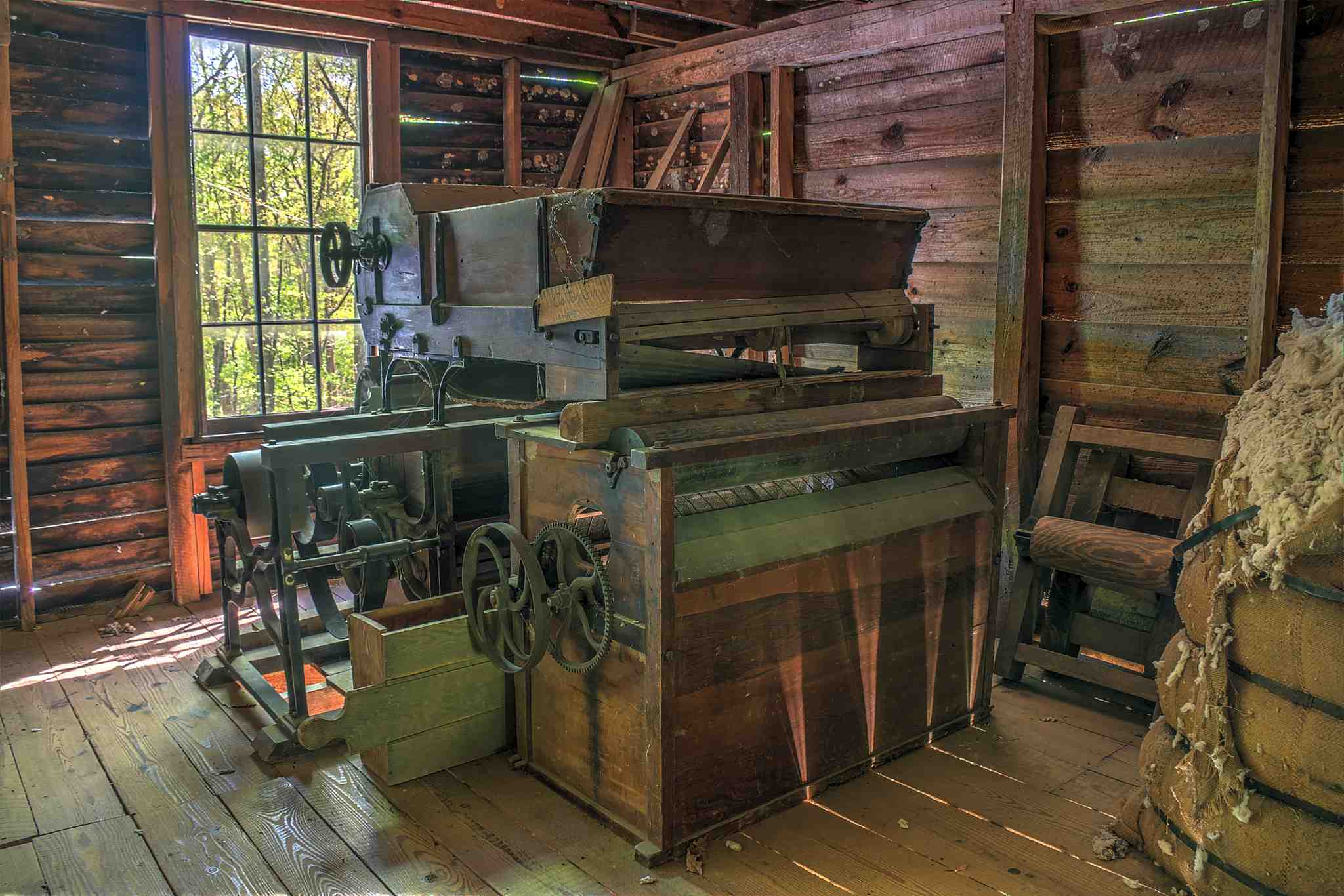
It can be hard to visualize how the cotton gin works without seeing one (or at least a diagram of one).  I found the BEST video I have ever seen showing the operation of a cotton gin.  Now granted, this video is in black and white and is probably older than me, but there is no better video that I have found which has clear shots of the teeth in the wheels.  When you show this to your students, just let them know ahead of time that it is an older black and white video and that there is a cheesy guy in a wig pretending to be Eli Whitney.

(Side note:  I have often found that students tend to dismiss something they see as old or in black and white IF they haven’t been prepped for it.  Before I show an older video, I always explain that the video explains or illustrates something so much better than other videos that it still has relevance and is worth showing.  Once I acknowledge any obviously cheesy moments or outdated phrases or clothing, it takes away much of the novelty of it, and the students can move past it and just absorb what the video is showing.)


Another “decent” video (although NOT the History Channel’s best production) is this one.  You may want to use this in between your discussion of the cotton gin and interchangeable parts.

Now, here’s what I’m REALLY proud of!  I decided that I wanted to have my students make some kind of crafty-type thing to help them remember how the cotton gin worked.  So I enlarged and printed the picture below on cardstock (you could use regular paper too if you had to).

I then gave my students some glue, cotton balls, and unpopped popcorn kernels (to represent cotton seeds).  They had to glue the stuff on the diagram in such a way as to represent what the cotton gin did.  Use liquid glue if you do this.  None of this will stick if you use a glue stick.  Also, tell your students to tear apart the cotton balls into smaller chunks.  The balls will last longer, and it just looks better.


Now, this will seriously take less than 5 minutes, so why should you do it?  Because sometimes your students need to do something hands-on.  Because sometimes your students need to do something other than take notes.  Because sometimes you need to do something different.  And if you think this craft may be too “childish” for your kids, I think you underestimate how refreshing a change of pace is when you are sitting in class and listening to people talk all day long.  Did I mention that it would be GREAT reinforcement for tactile learners…or really anyone?

If this idea is too simple for your “high-minded classroom ways,” (haha) try this:  Divide your students into small groups and give them a poster board, cotton balls, popcorn, and glue and say…”Make me a diagram of a cotton gin.” or “Make a poster demonstrating how a cotton gin works.”

Before you get your students pasting and crafting, you need to reinforce the impact of the cotton gin.  It is pointless for your students to know how the cotton gin works if they don’t know the impact it had on the South (and really the world).  I used a table to show the students the difference the cotton gin made.  Have them cut out each box and put it in the correct spot in the chart.  (See link at the bottom of the article.)

One thing that you need to discuss when covering the effects of the cotton gin is the positive and negative effects of the invention.  Have a brief discussion about the good and bad that has resulted from various inventions (start off discussing the cell phone).  Have students do some deep thinking about consequences and cause and effect (maybe a short free-write).  Many people talk about the fact that the cotton gin led to an increase in slavery but often overlook the fact that the cotton gin also provided a way for poor farmers living in the South (who didn’t own slaves) to better support their family.  Also, cotton provided the raw materials necessary for textile mills to expand which provided more jobs.

Once you cover the cotton gin and move on to interchangeable parts, there’s more fun stuff to do.  After explaining interchangeable parts and their importance, may sure you show them that they are surrounded by hundreds of examples of them.  You can use your board markers as a handy example.  If you lose the top to one, you can replace it with another.

Have your students go on a scavenger hunt around the room for examples of interchangeable parts.  You can divide them into groups and have them race.  Whoever gets done first is the winner and gets candy or extra points on a quiz.  I would make them find about 30 different examples within the classroom.  Or, you could also set a timer and see which group can come up with the most examples of items with interchangeable parts in the time allotted.  Pretty much anything with a screw has interchangeable parts.  In fact, a screw is an interchangeable part!  Students are probably wearing examples of items with interchangeable parts as well:  watches, zippers, buttons, earrings, etc.

A word of warning, apparently there is a theory out there called the Mandela effect, where a group of people collectively remembers something wrong.  There’s a bunch of articles devoted to this.  Well, some crazy people claim that Eli Whitney was black and that he invented the cotton gin to reduce the work of slaves.  It’s a crazy Internet theory with no reliable evidence, but there’s always that ONE kid in class who’s read stuff like that and brings it up.  Haha!  The point is, the cotton gin changed the course of American history, regardless of the physical characteristics of the inventor!

Here’s a link to my cotton gin table.  It’s pretty simple.  You can add more stuff to it if you would like (specific statistics about cotton production and slavery).  The fonts may look weird if you don’t have them on your computer.


Featured image courtesy of Dsdugan – Own work, CC0, https://commons.wikimedia.org/w/index.php?curid=58026846

Biography Book Cover Assignment

If a book was written about your life what would it look like? What picture would be on the cover? What tag line would be used? What would the summary on the back say?

While working on my lesson for Benjamin Franklin, I decided to have my students create a book cover for a biography about him. This would be a great idea to use with any historical figure that you wanted your students to know a lot about.


You could use this book cover idea to reinforce the importance of people such as:
  • Christopher Columbus
  • George Washington
  • Thomas Jefferson
  • Andrew Jackson
  • Civil War generals
  • Abraham Lincoln
  • Teddy Roosevelt
  • Franklin Roosevelt
  • Dwight Eisenhower
  • Martin Luther King, Jr.
My students have to include the following things:
  • A catchy title that reflects the life of the person
  • A picture that represents that person’s life
  • A tag line under the title that gives a little more information (A phrase or one-line summary of this person)
  • A paragraph on the back of the book that gives a summary of the book, which includes some details of this person’s life/interests/importance.  (You may want to give a specific number of details required if you think your students might skimp on the information.)
  • You could also include an optional book endorsement quote by someone who would have known the person. (If the book was about Ben Franklin, you could have something like this… “A great book about a great man.” – Thomas Jefferson)
I whipped up a quick book cover template that I thought I’d share with you.  It would be a good idea to also show your students several copies of real book covers, so they get an idea of what you want.  (Just run down to the media center before class and grab a few.)

Visual Syllabus – A Fun Way to Deliver the Boring Stuff…and More!

While prepping for my American Inventors class (I’m teaching one for my local homeschool co-op), I decided that I wanted to spice up my syllabus.  I stumbled across this simple but neat looking visual syllabus.  It’s only $1.75 on TPT. I’ve never used one before, but I decided to try it.  It was very easy to edit, and it looked pretty cool afterwards.  I did make a few changes and tweaks to fit my needs.  It’s much more visually appealing than a regular old syllabus.  I will say, however, that while you can give the basics on this syllabus, you STILL need to make sure you give out a copy of your procedures (which definitely won’t fit on this).

You could also use this syllabus for notes.  Change out some of the clip art and you can add note content instead of syllabus content.  It wouldn’t need to be anything fancy, but sometimes delivering content in a different manner helps break the monotony.  You could use it to create a broad overview of a war.  Have the dates in one box, the good and bad guys in another, important battles in another, and important people in another.  Oooooh, even better, give the blank template to your students and (as a review) have THEM create a “cheat-sheet” about the war!  That would be a great way to review the basics about a war or other large topic.

Here’s my syllabus that I created for my class.  I blacked out some top secret stuff that I didn’t think you needed to know…stuff I could let you read, but then I’d have to kill you!  This syllabus is doesn’t include all of the stuff that I would put in if I were teaching a large class full of 30 students, but it still has the basics.  Oh, and by the way, I wasn’t paid or anything like that to write about that syllabus product.  I just like sharing neat and useful things I find!


I’m Back! Benjamin Franklin Video and Activities

So, I’ve decided to start the blog up again. I don’t have plans to resume the podcast any time soon though, because it is too time-consuming. After stepping away for a while and working on some other projects, I think I can carve out a chunk of time here and there to write a post. I don’t know how often I’ll write. Originally, when I stared the podcast, I tried to make sure I posted every ____ days. I didn’t like that, though, because it felt forced. So, now I’m doing it more for fun, and when I get inspired. The good news is that inspiration has been steadily creeping back in over the last few weeks. I’m preparing to teach a class called American Inventors for my homeschool co-op and I’ve come across some fun resources that get me excited and make me want to share with someone. And to save my non-history-loving mom friends from my rantings about history, I will share my thoughts here.

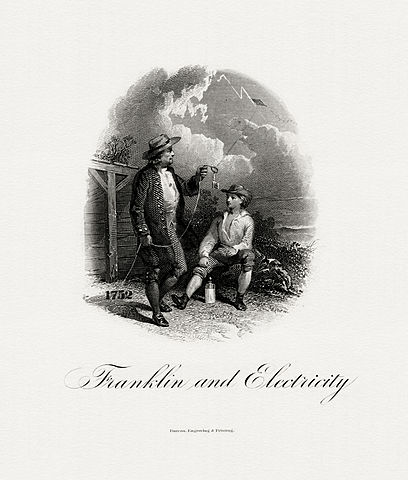
Speaking of which, the video below from the History Channel is a good one to show when you are studying Benjamin Franklin. You know, that time when Benjamin Franklin stood out in a thunderstorm with a kite and got struck by lightning? Oh yeah, that didn’t happen! At least, it didn’t happen the way so many people think it did. This is a good video for clearing up the myths surrounding his famous lightning experiment.  (Don’t forget to look below the video for classroom uses!)

Classroom Uses:

  • You could do a quick K-W-L before the video to see what your students know. (If you don’t know what a K-W-L is, this sheet gives the basic idea.)  A K-W-L is good to use with a topic that your students already know about or have misconceptions about.
  • Watch the video and create a two-column chart comparing the myth vs. the reality of the experiment.
  • Use the video to reinforce the importance of Franklin as an Enlightenment figure.
  • Use the video at the beginning of class to get your students interested in Franklin before a lesson on the Enlightenment in the US.

Another great activity to use when studying Franklin is a word web.  Word webs are great to use with people who are multi-faceted and/or have many different roles in US history.  After you have discussed Franklin, divide students into groups and have them create word webs about him.  (Make sure you show them an example of what a word web is.  Here’s an easy Halloween word web that your students would easily understand.)  You may need to prompt them or give hints as to how to divide up his life.  Here’s a very quick example of how a word web about Franklin might be structured.  Also, a simple word web could also be used as an exit ticket to reinforce content at the end of class.

Fun, Free Quizzes to Use as Fillers at the End of Class

There are five minutes left in class.  Your students are tired.  It’s too late to start anything new and you don’t have an exit ticket idea to fill the time.  What do you do?  It’s always a good idea to have some quick, fun “filler” activities up your sleeve for just such a time.  Here is a great one…

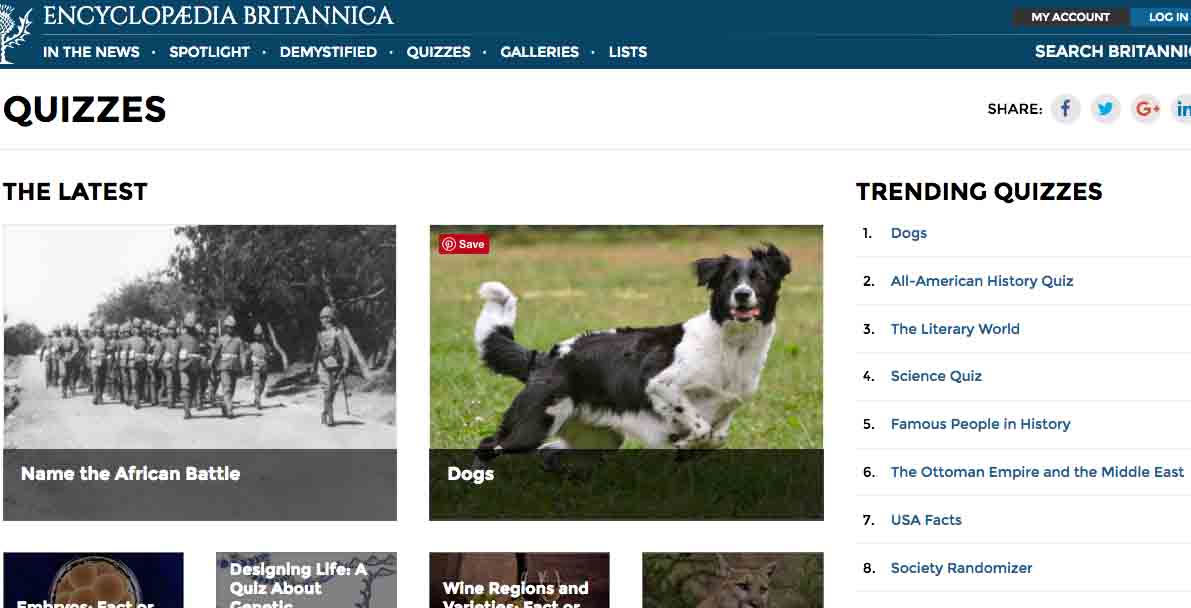
For years I’ve been using Encyclopedia Britannica instead of Wikipedia.  (I want a reputable source for my information, rather one that literally anyone can edit.)  I have NEVER noticed, until today, that they have a tab at the top of their page called “Quizzes.”  I clicked on it and, what do you know, they have a bunch of free quizzes.  Wouldn’t it be convenient if they happened to have some about US history?  Well, they do!  These quizzes are usually around 10 questions and are graded immediately after you answer each question.  The only catch is that each question must be answered within 10 seconds or it is counted wrong, and those 10 seconds go by really fast!  The faster you answer, the higher your score is.  On the score page at the end of the quiz, you can scroll down for detailed answers to each question.

How can you use this?  Bookmark these quizzes and put them in a folder in your browser labeled “Filler” (or maybe something less obvious to your students, like “5 Minute Fun”).  Then, you can pull one or two of these up on your projector or interactive board and let your students try them.  Since this is a filler activity, you can let the kids just yell out the answers and quickly decide what they collectively think is the correct answer..  If that is too loosey-goosey for you, have them answer silently and keep track of their points on a scratch sheet of paper.

There are over 150 history quizzes!  (They also have a Geography section.)  I’m providing links below to the ones that I like best.  You can also click here and scroll down to browse all of their quizzes.  One other thing to note: you don’t have to do a quiz that is associated with the content you are currently covering.  Sometimes it’s good to throw some random knowledge out there and remind students that any learning is good, regardless of whether it will “be on the test.”

US Presidential Elections

US Presidential Firsts

First Ladies of the United States

John Adams or John Quincy Adams

Salem Witch Trials

Republican or Democrat

Abraham Lincoln

Soldiers in Petticoats:  Fact or Fiction

US and Cuba

19th Amendment and Women’s Suffrage

US Presidential Nicknames

The Titanic

World War I or World War II

Pirates:  Fact or Fiction

The US: Fact or Fiction

Which of these quizzes is your favorite?  What’s the highest score you or your class achieved?  Let us know how you did in the comments below!


Blank Newspaper Worksheet: 4 Assignment Ideas

Have you ever found a cool news article that you want to make sure your students read and understand?  This sheet, covering the 5 W’s of a newspaper article, was created to be used with the NY Times, but it can be used with any news article.  It’s a fillable PDF, so students can fill it in online or you can print a blank copy.

Classroom Uses:

  • Give students current event articles relating to historical discoveries or events and have them complete the sheet.
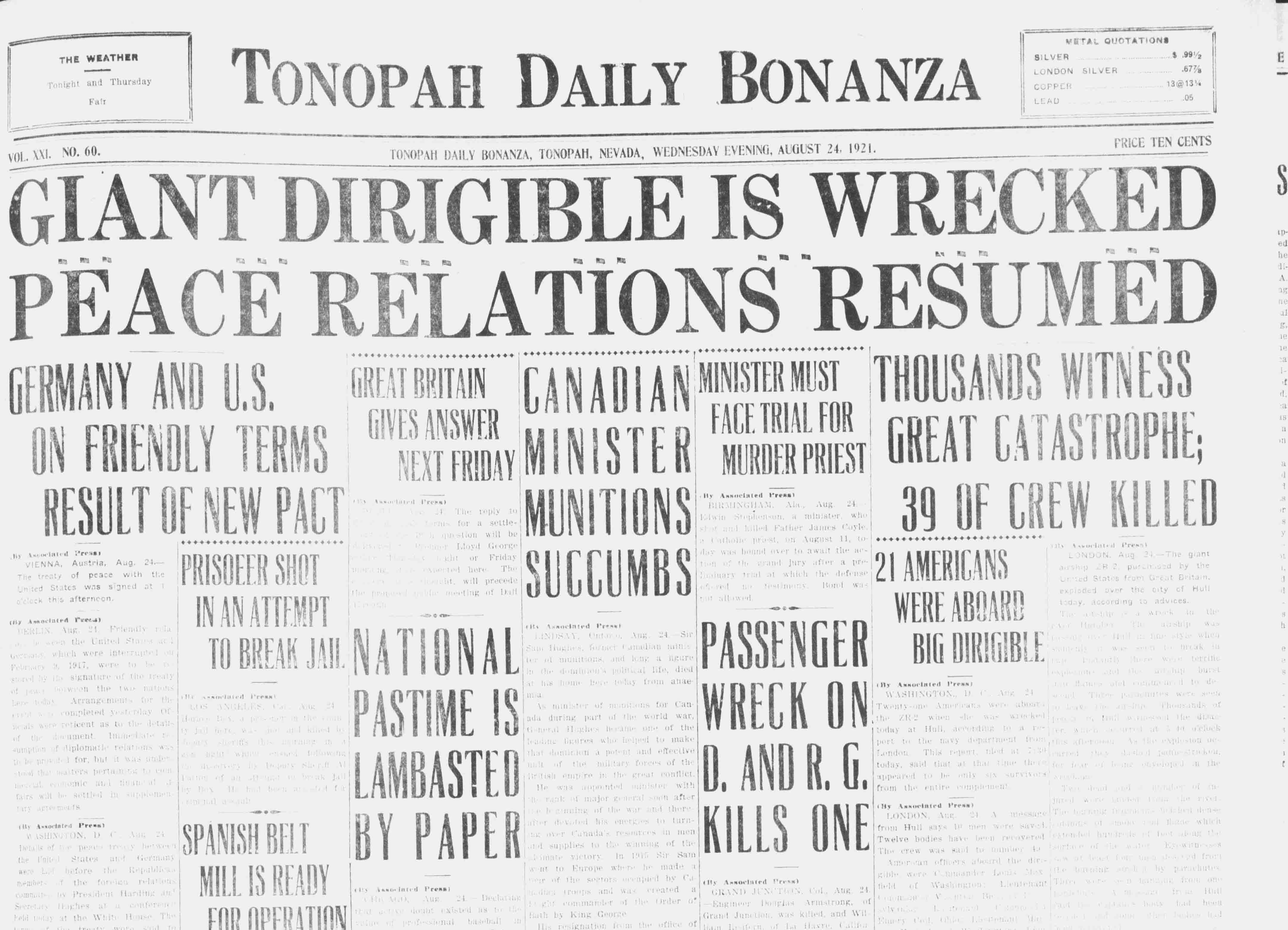
  • Give students old newspaper articles about historical events and have them read the article and complete the sheet.
  • Have students read a news article from this list and fill out the form.
  • Use the form as a planning sheet to help a student write their own fake news article about an important historical event.

What other ways could you use this in the classroom?  Share your ideas in the comments section below.


Gold Rush Primary Source and Meme

Once again, history references show up in popular culture.  Put the picture to the right on your board at the start of class the day after you talk about the 1849 Gold Rush, and see if you can get a laugh out of your students.  (It’s also a reference to the Kanye West song Gold Digger.  Don’t ask me how I know that…I’m not even sure myself.)
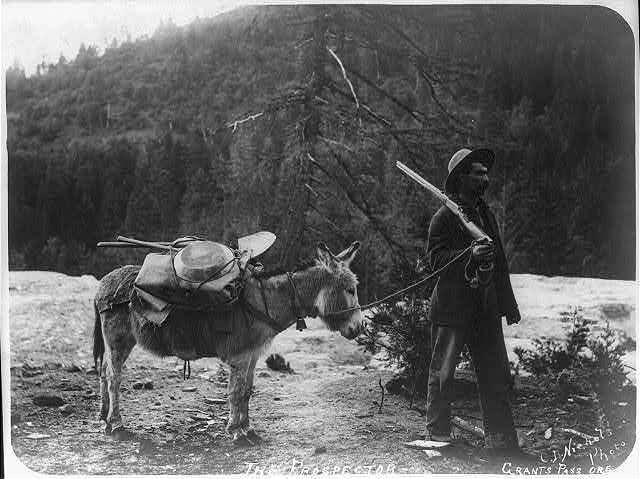
While we are on the topic of the Gold Rush, I thought I’d mention this.  This letter is an interesting primary source about the California Gold Rush written by a gold miner in 1850.

You could:

  • Read it and highlight portions to read aloud to your students (make them do Window Notes to encourage active listening).
  • Copy and paste the best portions for your students to read.  Have students write a reflection about whether they would have enjoyed participating in the Gold Rush based on what they read in the letter.

If you don’t have time to read the whole thing, read a summary of the best parts of the letter here.  (Scroll down to “Getting the Gold” for most relevant material.)

Tips for Remembering Constitutional Amendments

Do you know about ALL of the amendments to the Constitution?  Can you tell me what each one changed or added to the Constitution?  I can’t (gasp).  I’m betting your students can’t either (and probably you neither, unless you’ve been teaching Civics for a while).  Well, I found this video that gives some quick pneumonic devices to help you remember some of the more important amendments.  You don’t necessarily need to show this to your students, but I would watch it and go over these tricks with your students (and use them yourself).  The tip about the Reconstruction amendments is pretty helpful.

The one that he didn’t cover, which I think is super-important, is the 19th amendment, which gave women the right to vote.  I actually scoured the internet (ok, I looked for 10 minutes) to see if anyone else had tips for remembering the 19th, and I couldn’t find anything useful!  I used to tell my students to imagine a bunch of women standing in line to vote wearing t-shirts that say “19” or imagine a bunch of girls jumping up and down squealing, “I’m 19!”  You know, that would be a good extra credit assignment; have students come up with easy and creative ways to remember the some of the important amendments.

Do you have any neat ways to remember amendments?  Leave them in the comments below!

Maps…They’re Not Just For Geography

Did you know that I could once name and locate all of the countries in Africa?  How many people can say that?  (Well, you might be able to if you teach Geography, but even most social studies teachers don’t know them unless they end up teaching a geography class.)  How did I do that?  It was quite simple.  I had a really good college professor that loved geography and made African geography interesting.  One of the most helpful and yet simple activities we did in class was to color and label a map of Africa.  Yes, we colored…in college…and it worked.  I know that adult coloring is all the rage right now, but when I was in college most people would have looked down on a professor that resorted to coloring to teach a college class.  I have a very distinct memory of myself sitting in class at Clemson University coloring maps and LOVING it!  It seemed simple, but coloring maps appealed to various learning styles of the students in the classroom and enforced the content multiple ways.

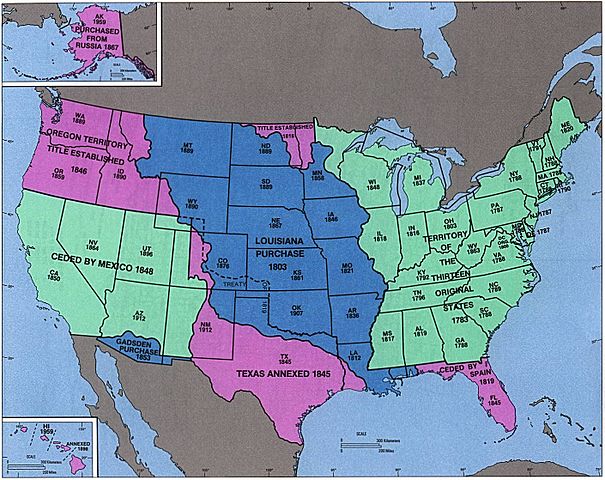
So, what does that have to do with US History?  Oftentimes, we talk about land acquisitions without ever showing students a map of the result of said acquisition.  Yes, the Louisiana Purchase made a HUGE impact on the size and natural resources of the US; but you don’t really get an idea of just how huge it was until you show it on a map.  Did you remember the size of the Louisiana Purchase from your high school classes?  Probably not.  But how many maps were you shown?  How many did you color and label?  Probably none.

You get my point.  Give your students blank maps and have them color and label important historical events, acquisitions, or information.  Don’t think you have time?  Some maps will only take 5 minutes to complete.  You can always set a time limit and whatever the students don’t finish in class must be completed for homework.  Some maps, such as a map showing land acquisitions of the US, would serve as excellent end of course review material!  See some examples of assignments below:

American Colonies Map – Use the map found here.  (No longer available.) Have students create a map of the 13 colonies.  Students must label each colony and color the three main colony divisions:   northern, southern, and middle colonies (or mid-Atlantic).  Students must also insert symbols for economic activities and religious groups.  Students must create a legend to go with their map.

Civil War Map – Use the map found here and tell your students to create a map depicting Union and Confederacy states and capitals.  You can also have students label Fort Sumter, important battles, or other items (the Mississippi River).  Explain the anaconda plan and have students label elements of the plan on their map.

Western Trails Map – Use the map found here.  Have students trace and label the route that they would take to go west.  They must label cities in which they would start and finish.  On the back, you can have students explain which route they chose and why.

Land Acquisition Map – Use the map found here.  Have students label and color all of the major US land acquisitions.  Have them include the year we got each piece and who we got each piece from.

I actually found two products on Teachers Pay Teachers that give you almost all the maps you might want for US History.  There are two different packages based on time period.  Each is $9.95.  Click here and here to learn more.  If $20 seems a little steep to you, just Google a map you want and you should be able to pull it up.  You may have to do a little copying, pasting, and resizing, but only once per map.  Save it and use it again and again.  The return on time invested will be worth it.

World War I Christmas Truce

“The soldier above all others prays for peace, for it is the soldier who must suffer and bear the deepest wounds and scars of war.” — Douglas MacArthur

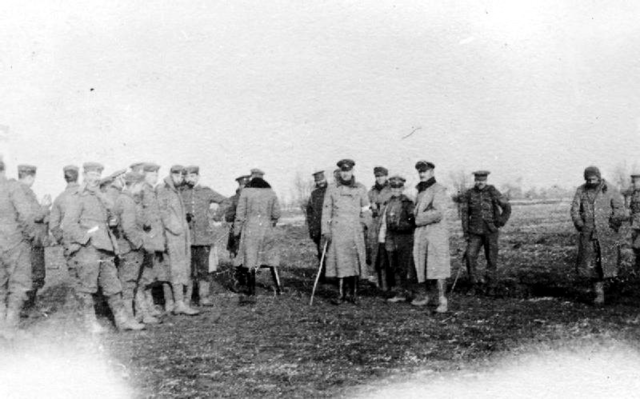
I absolutely LOVE stories of historical events that show humanity at its best.  One such story is that of the World War I Christmas truce.  If you’ve never heard of this incident, it is fascinating!  It began when British troops sitting in the trenches heard the Germans singing Christmas carols.  Next thing you know, the British and German troops met in no man’s land and exchanged gifts, took pictures, and even played soccer together!  Eventually, due to pressure by commanding officers, the fighting resumed between the two sides.  To check out the whole story, read about it here.  There are even pictures of the “enemies” mingling during the truce (see the picture above)!  How cool!  The History Channel also has a short video clip here that has a voiceover of one of the veteran’s who was involved!

If you like stories like this, you can also read the book Chicken Soup for the Veteran’s Soul.  It is full of neat anecdotes from various wars that will make you feel all warm and fuzzy inside.  I sometimes read a story from this book to my students when we had a few minutes to spare at the end of class.  Random Acts of Kindness:  True Stories of America’s Civil War is one that has a ton of heartwarming, true accounts from the Civil War.  (I actually mentioned this in my last podcast.)  Do you know of any other books like these?  I’d love to hear about them.  Leave a comment and let me know.


Photo:  British and German troops meeting in no man’s land during the unofficial truce – Imperial War Museums

Great Cuban Missile Crisis Worksheets

I found a new resource today on the Cuban Missile Crisis that I really like.  It is a free packet of four worksheets covering different aspects of the situation.  The assignment at the end of each worksheet is to write an essay.  If you don’t want your students to write an essay, you can easily modify this assignment into a group or class discussion.  I really like these worksheets because it breaks down the Cuban Missile Crisis into various steps and decisions and helps students evaluate the “what-ifs” of the situation.  The packet also downloads as a Word document, which would make it very easy edit to suit your classroom needs.  This packet is part of a larger grouping of resources found here.

LTH 016 – How to Plan and Pace Your US History Course

In this episode, I’ll show you a way to quickly plan out your entire US History course.  I’ll also discuss a few ways to get caught up if you are behind, and you’ll learn why it’s not the end of the world if you don’t cover all of the content in the book.


Show Notes and Resources:

How I Organized My Units

Random Acts of Kindness:  True Stories of America’s Civil War – Book on Amazon

Intro music clip of “I Dunno” by Grapes CC BY-ND 3.0

Keep Calm and Study History

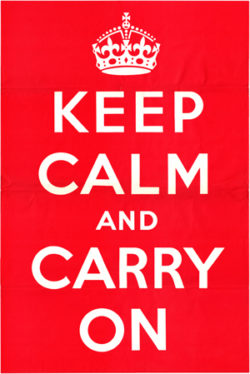
Ummm, how did I not know this?!  I was researching for one of my TPT products that I’m working on, and I stumbled upon the fact that the “Keep Calm and Carry On” shirts, posters, memes, etc. are based on a British propaganda poster from World War II!

Apparently, this particular phrase and poster was produced in 1939 to boost British morale in case the major cities experience bombings.  (Speaking of bombings, check out my podcast on the Battle of Britain.)  I know that these posters and such have been around for a while, but I can’t believe I didn’t know their origin!  This is definitely a very concrete example of how history has influenced modern life and pop culture.  Share this awesome example with your students and remind them to…

Great Depression Video

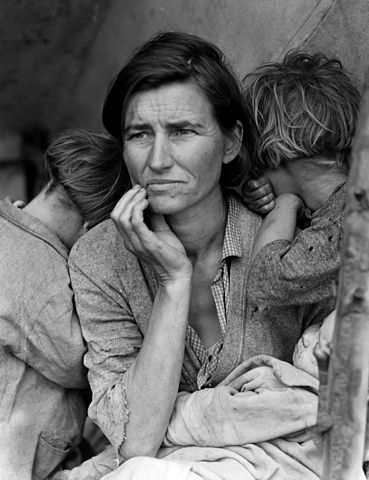
How did the Great Depression start?  Here’s a very informative video about the Great Depression that can tell you that and more.  It does an excellent job of explaining how the Great Depression came about.  It is clear, straightforward, and easy to understand.  The video is 7 minutes and 30 seconds long, but you can stop it at 6 minutes if your students start to lose interest.  The last minute and a half is basically a silent comparison of Roosevelt and Hoover.  It does end a bit abruptly, but overall it explains the start of the Depression very clearly.

Really Cool Interview with Pearl Harbor Survivor

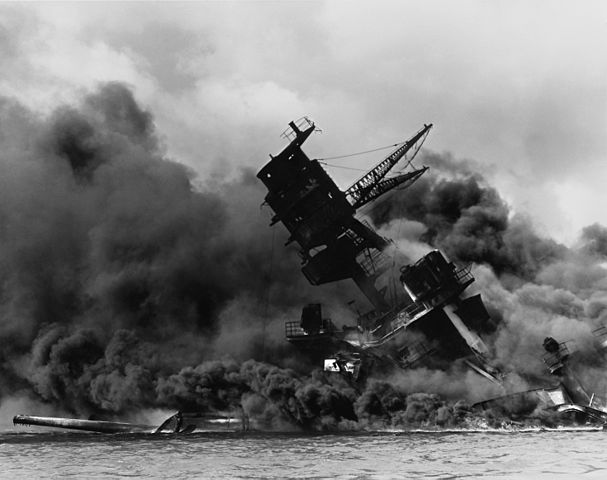
Can you imagine what it would be like to be on the USS Arizona when it was hit?  Well, the guy in this video knows!  In remembrance of the attack on Pearl Harbor, I thought I would link to this REALLY interesting video of a veteran of the USS Arizona detailing his experience during the attack.  Sometimes when you are studying a large event where many people die, it’s hard to make it personal.  This interview is fascinating and gives students a very personal glimpse of what these men went through!  It’s 15 minutes long, but I loved watching to the end.  At the end, he explains what he thinks happened to his twin brother, who was also on the USS Arizona.  You can stop it at about 10:00 if students start to lose interest.


LTH 015 – Battle of Britain

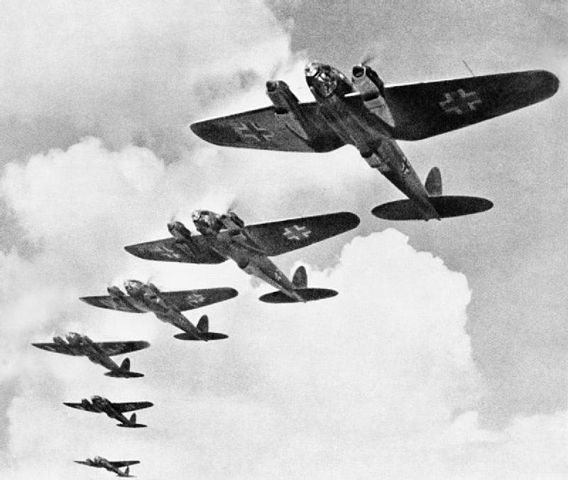
In this episode, I’ll give you tons of free resources to help you teach the Battle of Britain.  Get a discussion starter, video recommendations, assignment ideas, and more!


Show Notes and Resources

Discussion Starter

Free World War II Worksheet/Summary on TPT (scroll down to page 5 and 6)

Battle of Britain PowerPoint (skip to slide 23 for the B of B stuff)

Good Summary Video Adolf Hitler: Battle of Britain – Biography.com Video (2:11)

Winston Churchill – Video on History Channel (5:11)

Animated Summary of the Blitz – Video on History Channel (1 min.)

Interviews with Battle of Britain Veterans – Video (3:44)

Air Raid Siren Sound Effect on iTunes

Battle of Britain Assignments

Part of Churchill’s Battle of Britain Speech – Audio only

Text of End of Churchill’s Battle of Britain Speech

Interactive Infographic (scroll down past the picture of the plane and give it a second to load)

RAF Infographic

Photo:  MH65477 from Imperial War Museum
Intro music clip of “I Dunno” by Grapes CC BY-ND 3.0